Small Vision Changes You Should Never Ignore
In the hustle and bustle of everyday life, vision changes can often go unnoticed until they manifest significantly. However, these small changes can be vital indicators of your overall eye health. Proactive awareness and attention to these nuances could be the difference in maintaining clear vision and preventing potential eye issues.
This article delves into often-overlooked vision changes, helping individuals differentiate between normal patterns and concerning developments that necessitate an eye doctor appointment. Through enhanced understanding, we aim to provide a clearer perspective on maintaining eye health through effective practices and technological advancements. The ultimate goal is to foster a more informed approach to proactive eye care.
1. Common Vision Changes
1.1. What Constitutes a Vision Change?
Vision changes can encompass a wide array of symptoms, from subtle blurriness to noticeable color distortion. Understanding what qualifies as a vision change is crucial in recognizing early signs of eye health issues.
A vision change is any deviation from your regular sight experience, including clarity, field of vision, and color perception. Though aging naturally alters vision, sudden or rapid changes should never be ignored as they may indicate underlying health issues. Always consult with an eye care professional for early assessment and timely interventions.
Despite regular visual shifts over time, constant and significant changes might be alarming. Addressing them promptly may prevent deterioration and foster long-term eye health. Staying informed about potential vision variances enables individuals to take necessary action towards protecting their eyes.
1.2. Subtle Signs You Might Overlook
Small vision changes often fail to capture immediate attention but can be indicative of future problems. Perhaps colors don't appear as vibrant, or there's a slight blurring in peripheral vision. Recognizing these signs early can aid in pinpointing issues before they escalate into major eye health compromises.
Some people dismiss these changes as temporary or inconsequential, yet they could point towards conditions such as cataracts or macular degeneration. Early detection is powerful in averting progression, allowing for management strategies to maintain optimal vision. An annual checkup is crucial if you have prescriptions for contact lenses or eyeglasses, according to the Cleveland Clinic, even if you're younger than 40.
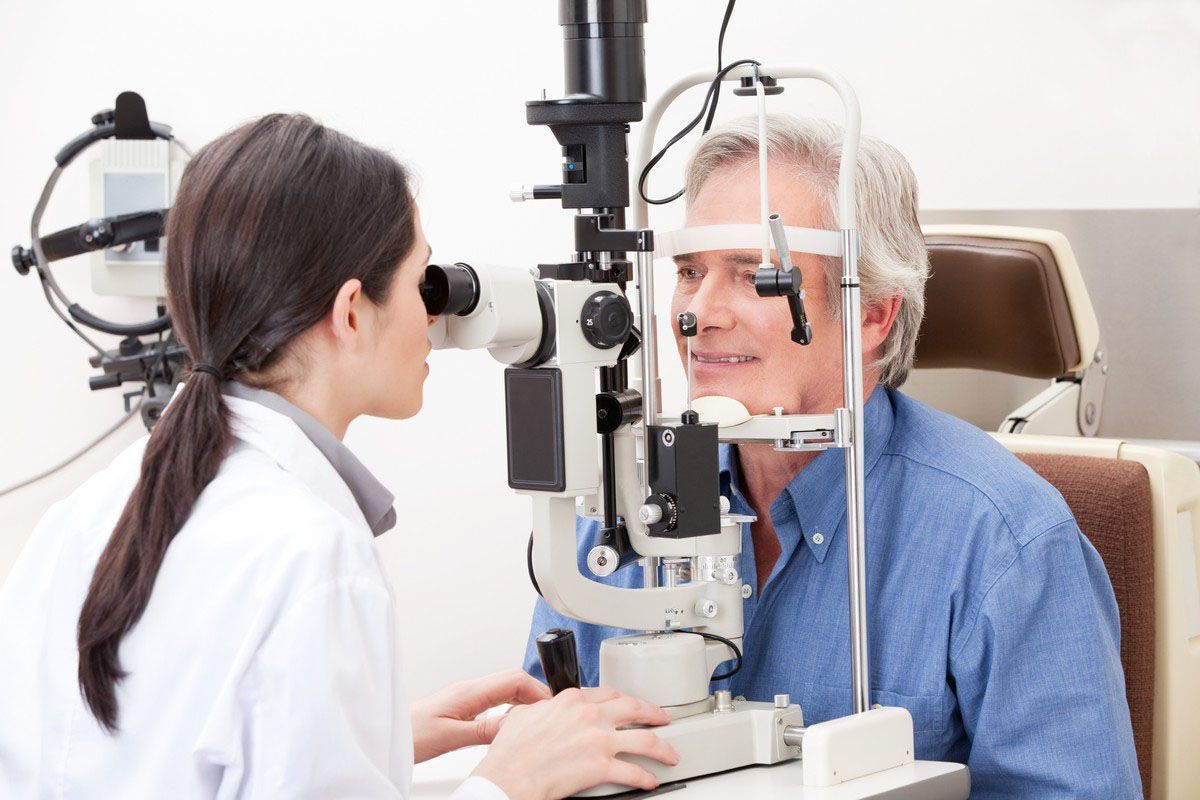
Your eye health professional can help in assessing these seemingly insignificant changes through detailed eye exams. Advanced diagnostic tools can detect changes imperceptible to the human eye, thereby providing a more comprehensive overview of your eye health. Attentiveness and regular check-ups form fundamental building blocks for ongoing eye health management.
1.3. Normal Aging Process vs. Concerning Changes
Distinguishing between normal aging-related vision changes and those requiring professional attention is essential. Presbyopia, a common condition among older adults, involves difficulty focusing on close objects and is a natural part of aging. Such changes, though normal, may necessitate corrective measures like glasses or contact lenses.
Conversely, more concerning changes like rapid loss of central vision may be symptoms of more severe conditions. It's critical to understand these distinctions to ensure proactive responses and timely visitations to an eye care provider. Regular professional consultations can help identify which changes are simply part of aging and which may present greater risks.
By maintaining an eye on vision health and consulting with specialists, individuals can manage age-related changes effectively. Identifying whether a change is unusual or indicative of an underlying condition ensures proper interventions are deployed. Embracing this knowledge encourages informed decisions about eye health care management.
2. Minor Symptoms with Major Implications
2.1. Blurred Vision
Blurred vision can occur from several causes, each with its own level of severity. For instance, minor blurriness may result from presbyopia, commonly corrected with reading glasses. Yet, persistent blurred vision, particularly if it arises suddenly, could indicate severe concerns such as diabetes or issues with the cornea.
If persistent or acute blurring doesn't resolve, seeking prompt medical attention ensures any underlying conditions are diagnosed and managed appropriately. The symptom should not be disregarded, particularly if accompanied by other signs like headaches or nausea. Blurred vision remains a crucial indicator for imposing immediate action and potentially altering management strategies.
Sudden or recurring blurriness complicates daily activities and thus requires timely detection and intervention. Differentiating between minor inconveniences and serious implications is essential, and engaging with a healthcare professional provides vital clarification. Addressing blurring through comprehensive exams can drastically improve quality of life and vision clarity.
2.2. Floaters and Flashes
Floaters are tiny particles drifting across the field of vision, often described as specks or cobwebs. Typically, floaters are harmless and part of the normal aging process. However, if they increase or are accompanied by flashes of light, a more serious condition such as retinal detachment could be at play.
Flashing lights can signify retinal tears, demanding immediate medical attention. Ignoring such symptoms might lead to severe consequences and should be evaluated by an eye care professional. Assessing these signs promptly ensures comprehensive understanding and safeguards against potential escalation.
Both floaters and flashes are critical indicators identifying necessary action towards managing vision health efficiently. Engaging with experts ensures that these seemingly minor symptoms do not evolve into more challenging conditions. Rapid advances in treatments can address these concerns effectively when detected timely.
2.3. Difficulty Focusing
Difficulty focusing is often attributed to excessive screen time, strain, or fatigue. Rest and appropriate screen adjustments typically resolve such issues. However, persistent difficulties should warrant assessment from an eye care professional to explore potential causes like astigmatism or imbalanced ocular muscles.
Addressing focus difficulties with targeted solutions such as specialized exercises or corrective lenses can dramatically improve vision functionality. Ignoring these problems could lead to constant strain, exacerbating discomfort and hindering daily tasks. Understanding potential causes assists in rectifying these issues proactively.
Exploring professional assessments for chronic focusing difficulties aids in identifying underlying concerns. Effective communication with eye care specialists enriches understanding of focus-related issues and how to resolve them. Proper management and early interventions prevent severe consequences and enhance vision health.
3. Associated Health Conditions and Their Link to Vision Changes
3.1. Diabetes and Vision
Diabetes significantly affects vision, with high blood sugar levels causing various complications impacting the eye. Diabetic retinopathy remains a prominent concern, manifesting through retinal blood vessels leaking or closing off, causing vision disturbances. Regular eye check-ups become integral to detecting these changes early.
Controlling blood sugar levels acts as a frontline defense against eye complications triggered by diabetes. Proactively managing health and participating in professional evaluations preserves visual integrity amidst diabetic developments. Eye health professionals can explicitly assess any diabetic retinopathy signs, allowing for necessary interventions at opportune moments.
By recognizing diabetic impacts on vision, individuals can seek appropriate corrections strengthening future sight clarity. Maintaining diabetes vigilance involves closely monitoring diet, health, and vision care combined. With early intervention, the effects of diabetes on vision can be significantly tempered, fostering improved eye health outcomes.
3.2. Hypertension and Eye Health
Hypertension or high blood pressure threatens many bodily functions, including eye health. Blood vessel damage from high blood pressure can lead to hypertensive retinopathy, resulting in blurry vision, bleeding, or even vision loss. Monitoring blood pressure levels and maintaining control acts towards preventing eye health complications.
Conscientious monitoring of hypertension helps avert its detrimental impact regarding vision. Establishing a regimen of health checks encompassing eye assessments aids in harmonious management over time. Preventive actions taken collectively contribute towards preserving lifelong visual capabilities.
Ignoring subtle eye changes can lead to complications that may have been manageable if addressed earlier. Regular monitoring and a proactive approach towards these changes may yield important insights into one's eye health. Moreover, early intervention can help mitigate risks associated with long-term eye health complications. If you're looking for an
eye doctor with a patient-first attitude, reach out to Optique Boutique today!





Share On: