
Why Regular Visits to an Optometrist Are Essential for Eye Health
Our eyes are vital organs that enable us to engage with the world around us, and yet they are often taken for granted. Understanding the importance of eye health and the role that regular visits play is essential for maintaining good vision and overall well-being. Regular visits to an optometrist should be an integral part of our healthcare regimen, as they help ensure the longevity and quality of our vision. Despite the necessity, many people neglect this aspect of their health, potentially leading to preventable complications. This article explores why these appointments are crucial and how they benefit various aspects of eye health.
Explore Anatomy and Health
The human eye is a complex organ, comprising numerous parts that work together to facilitate vision. Key components include the cornea, lens, retina, and optic nerve, each playing a distinct role in transmitting light and images to the brain. The cornea and lens focus light onto the retina, where photoreceptor cells convert it into electrical signals. These signals are sent via the optic nerve to the brain, which interprets them as visual images. Any disruption in this intricate process can lead to vision impairment, highlighting the importance of regular eye assessments.
Common eye conditions such as myopia, hyperopia, astigmatism, and cataracts affect millions worldwide. Myopia, or nearsightedness, is an increasing concern in children and young adults, often diagnosed during routine eye exams. Cataracts typically afflict older individuals, causing clouding of the lens and necessitating timely intervention. Conditions like these can worsen without proper management, ultimately impairing quality of life. Routine assessments by an optometrist are essential for early detection and management, minimizing their impact on our daily activities.
Lifestyle choices significantly affect eye health, with factors such as screen time, diet, and UV exposure contributing to deterioration. Excessive screen time can lead to digital eye strain, while inadequate nutrition may result in deficiencies impacting eye function. Furthermore, prolonged UV exposure is linked to cataract formation and macular degeneration. Understanding these risks and addressing them through lifestyle adjustments can markedly enhance eye health. Eyecare professionals provide guidance tailored to individual needs, making regular visits imperative.
Detect Hidden Eye Diseases Early
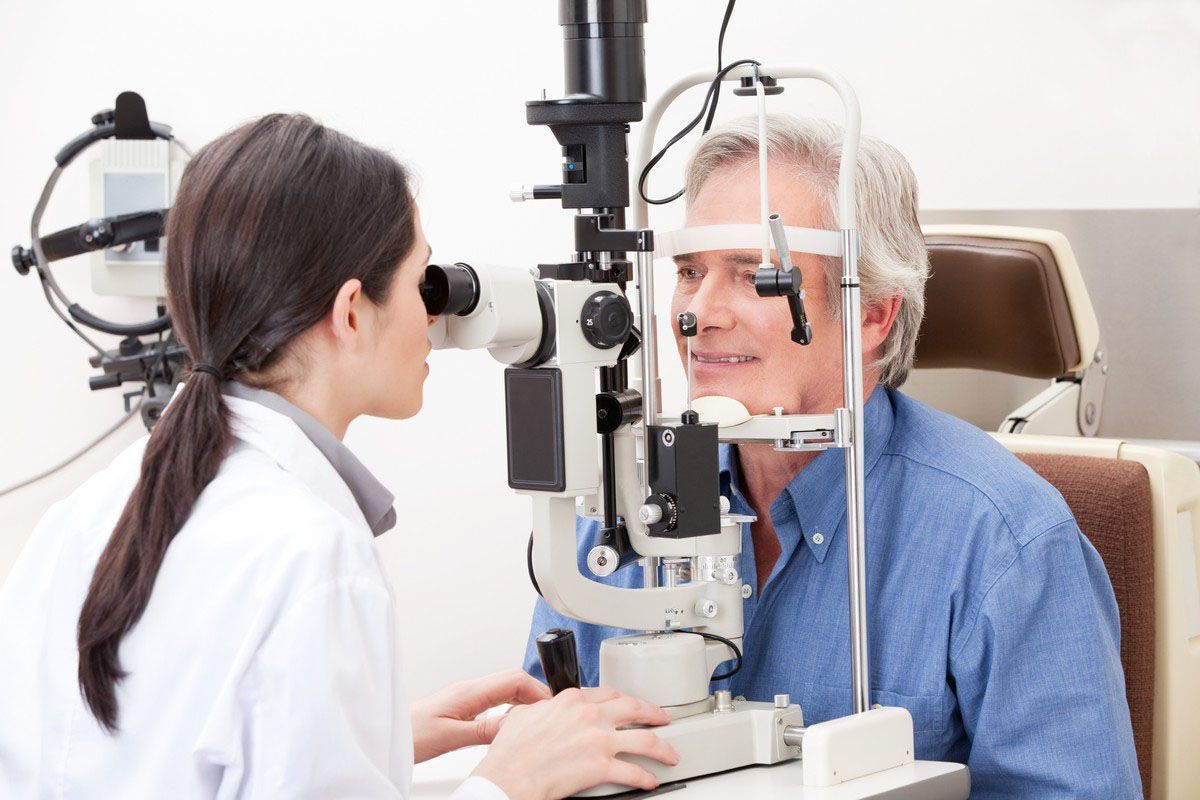
Regular eye exams are vital for the early detection of various eye diseases, some of which may lead to blindness if untreated. Conditions such as glaucoma are notorious for their asymptomatic nature in early stages, necessitating thorough evaluations by professionals. A skilled optometrist uses state-of-the-art diagnostic equipment to identify signs of diseases long before they impact vision. Early detection facilitates timely medical intervention, significantly reducing the risk of irreversible damage. Making routine eye exams a priority can thus safeguard long-term vision health. By proactively attending eye check-ups, individuals take crucial steps in preventing needless visual impairment.
Monitor Gradual Vision Changes
Frequent eye exams enable the effective monitoring of gradual vision changes, essential for maintaining optimal corrective prescriptions. Ageing and environmental factors can subtly alter vision, making regular assessments critical for detecting these shifts. Keeping prescriptions up-to-date ensures optimal visual performance, enhances life quality, and reduces the inconvenience of outdated lenses. Eyecare providers play a pivotal role in tracking these changes and advising on necessary adjustments. Accurate assessments reaffirm the importance of consistent check-ups. Routine examinations can catch minor issues before they evolve into significant vision problems.
Identify Systemic Health Issues
Beyond eye health, eye exams can detect systemic health issues, contributing to broader personal healthcare. Diseases such as diabetes and hypertension often manifest ocular symptoms that specialists can identify during an exam. Eye examinations can reveal retinal changes indicative of these conditions, prompting further medical evaluation. Early identification aids in managing these systemic issues, preventing complications. This underscores the multi-faceted role of an optometrist, highlighting the widespread benefits of regular visits. Thus, eye exams play a crucial part in comprehensive health surveillance.
Update Prescriptions for Corrective Eyewear
Regular visits ensure that prescriptions for frames and lens options reflect current vision needs. Accurate prescriptions are crucial for crisp, clear vision, reducing headaches and eye strain associated with suboptimal corrections. Changes in lifestyle, like increased screen time, can underscore the need for prescription updates. A professional eye exam is the best approach to accurately address such changes, providing tailored vision solutions. Maintaining up-to-date eyewear is crucial for comfort and efficacy, illustrating why ongoing evaluations are necessary.
Receive Personalized Eye Advice
A dedicated specialist offers personalized eye health advice, tailored to individual visual needs and lifestyle choices. They provide guidance on mitigating the impact of screen exposure, dietary suggestions, and tips for optimal eye hygiene. Such bespoke counsel helps implement daily practices that significantly bolster eye health. Harnessing specialized expertise facilitates informed decisions necessary for preserving eyesight. Ultimately, their guidance empowers patients with the knowledge to maintain and enhance eye health effectively.
Proactive prevention through regular check-ups is fundamental to mitigating the prevalence of eye disorders. These check-ups allow for routine screening, identifying risks before they develop into significant health issues. Early detection means preventative measures can be implemented, potentially delaying or entirely preventing the onset of eye disorders. This approach underscores the importance of routine appointments as a means of effective prevention. Therefore, prioritizing regular visits is key to forestalling more severe problems.
For individuals with chronic eye conditions like age-related macular degeneration or glaucoma, management through routine appointments is crucial. Continuous monitoring allows for timely adjustments in treatment plans to maintain optimal visual comfort. By tracking progression, eye care specialists can adapt interventions, optimizing outcomes and enabling patients to live full, unrestricted lives. This sustained management minimizes the potential impact on daily activities, sustaining a high quality of life. Ongoing care is essential in managing and mitigating chronic conditions effectively.
Revolutionize Care with Advanced Diagnostics
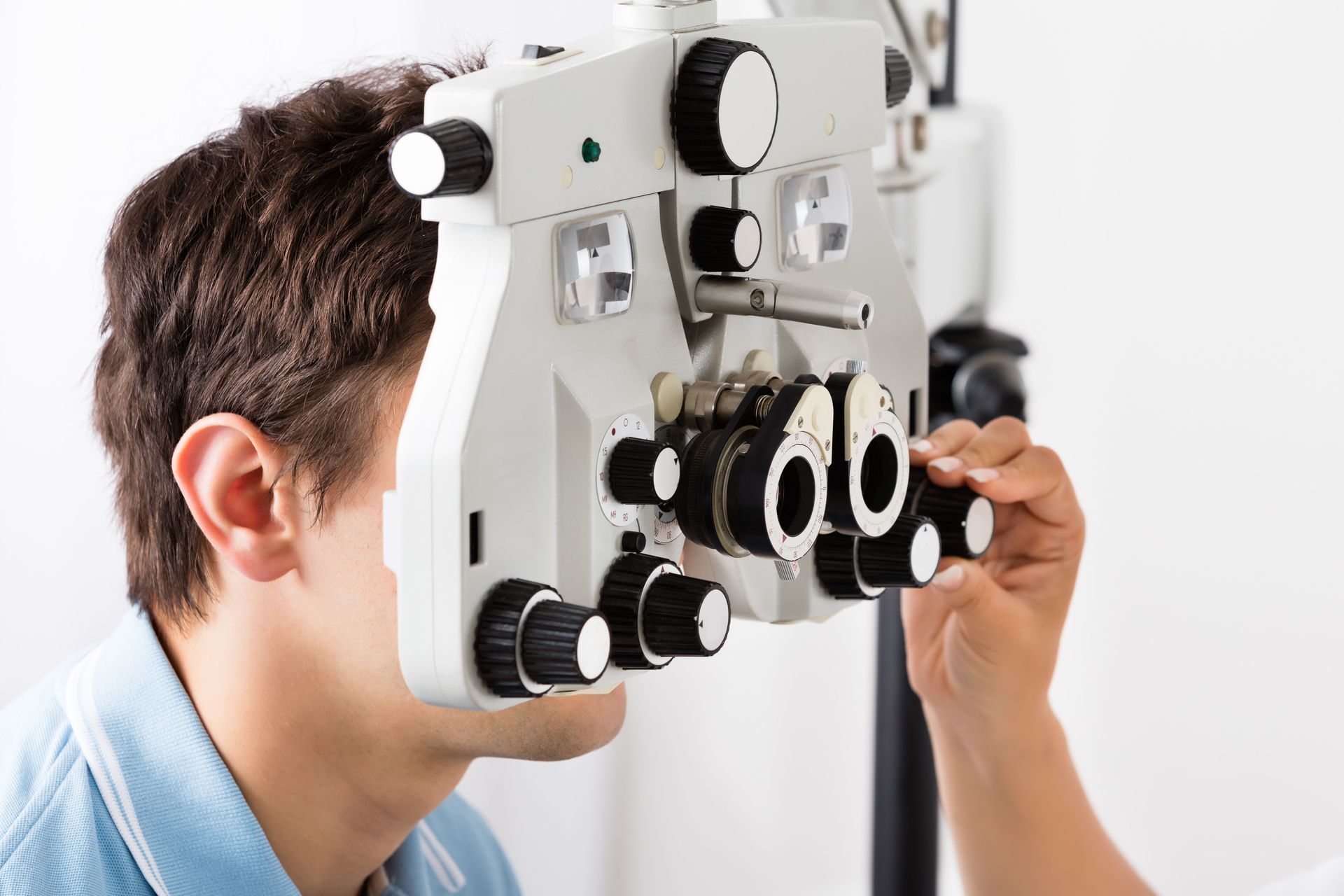
Technology has revolutionized eye care, with advancements in diagnostic tools transforming the precision and scope of assessments. Devices like optical coherence tomography (OCT) and retinal imaging offer unparalleled resolution, enabling early detection of subtle changes. Today's tools allow an optometrist to visualize ocular structures in detail, uncovering conditions previously difficult to diagnose. This technological evolution enhances diagnostic accuracy and informs effective management strategies. Embracing technological advancements underscores the progressive nature of contemporary optometry.
Moreover, these advancements facilitate more personalized treatment plans, ensuring patients receive tailored care that aligns with their specific needs. The integration of artificial intelligence in diagnostic procedures is further transforming the landscape, providing even faster and more reliable results.
Verify Professional Credentials Thoroughly
Verifying professional credentials and patient reviews offers insight into competency and reliability. Credentials reflect formal education, certification, and licensure, essential markers of professional qualifications. Patient testimonials illuminate real-world experiences, highlighting satisfaction levels and care quality. Thorough research ensures that chosen practitioners meet professional standards. By evaluating credentials and reviews, patients align with an optometrist equipped to deliver exceptional eye care.
Maintaining regular eye appointments with a licensed optometrist is beneficial for long-term vision health and quality of life. According to The Vision Council's Consumer inSights 2025 Report, brick-and-mortar storefronts continue to lead the market, with 86% of frame and lens sales completed physically at local shops. This statistic highlights the continued importance of personal, tailored care available through regular in-person appointments. Embedding eye health into routine healthcare regimens promises sustained visual acuity, enhanced well-being, and improved life quality. Contact Optique Boutique today to schedule your comprehensive eye exam and secure your vision health for years to come.





Share On: