Staying Ahead of Eye Health Even Without Noticeable Symptoms
Vision is one of our most vital senses, impacting nearly every aspect of our daily lives. From reading and driving to perceiving the surrounding beauty, sight plays a crucial role. Therefore, maintaining eye health is essential for preserving our quality of life. Ordinary activities require clear vision, and any impairment can hinder our ability to function effectively. Hence, prioritizing eye health ensures that we remain independent and capable in our everyday endeavors.
Understanding the Significance of Eye Health
Common Misconceptions About Eye Health
One prevalent misconception is that eye health issues only occur with age. Many believe that if they have good vision now, it will remain stable indefinitely. However, eye conditions can develop silently, posing risks without noticeable symptoms. It's important to debunk these myths and recognize that anyone, regardless of age, can encounter eye health problems. Preventative measures and regular examinations are crucial for safeguarding vision over time.
The Importance of Early Detection and Prevention
Detecting eye problems early can prevent serious complications later. Many eye conditions, such as glaucoma or macular degeneration, can develop gradually and without obvious symptoms. Regular eye exams allow for early diagnosis, potentially saving vision. Preventative care, like managing blood sugar levels or reducing UV exposure, can also minimize risk. By focusing on prevention, individuals can maintain their eye health and avoid future complications.
Subtle Signs of Eye Issues Often Overlooked
It's common for subtle signs of eye issues to be overlooked or attributed to other factors. Headaches, frequent squinting, or difficulty focusing could indicate underlying problems. Similarly, increased eye strain or frequent blinking might suggest unrecognized vision changes. Recognizing these early signs and seeking medical advice is critical for intervention. Addressing these symptoms can prevent deterioration and promote long-term eye health.
Modern Challenges to Eye Health
Today's digital lifestyle presents new challenges for maintaining eye health. Prolonged screen time can lead to digital eye strain, causing discomfort and vision issues. Environmental factors, like increased exposure to blue light, can also harm eye health. Additionally, the overuse of contact lenses and inadequate protective measures against UV rays further complicate matters. Being aware of these modern stressors and taking protective actions is necessary to preserve healthy vision.
Identifying Risk Factors for Eye Conditions
Genetic Predispositions
Genetics play a significant role in determining eye health. Conditions like glaucoma, cataracts, or age-related macular degeneration can run in families. If these issues are present in your family history, monitoring and regular check-ups become essential. Awareness of genetic predispositions enables early intervention and tailored preventive strategies. Understanding one's genetic risks can motivate proactive management of eye health.
Environmental Influences
Environmental factors such as pollution, UV radiation, and even the level of ambient lighting can influence eye health. For example, prolonged exposure to ultraviolet rays can increase the risk of cataracts and other eye conditions. Living in areas with high pollution levels can also exacerbate issues like dry eyes or increase infection risk. Adjusting our surroundings to decrease harmful exposure can significantly aid in maintaining healthy eyes. Monitoring and controlling environmental influences contribute to optimal eye health.
Lifestyle Choices and Their Impact
Lifestyle choices, such as smoking and diet, have a profound impact on eye health. Smoking is linked to an increased risk of macular degeneration and cataracts. On the other hand, a diet rich in vitamins and antioxidants supports healthy vision. Regular exercise and adequate sleep also promote overall well-being, including eye health. Making conscious lifestyle changes can prevent numerous eye conditions and preserve vision over time.
Commonly Overlooked Risk Factors
Some risk factors for eye conditions are often overlooked, such as prolonged stress or lack of sleep. Chronic stress can contribute to eye conditions like glaucoma due to increased intraocular pressure. Similarly, inadequate sleep can lead to eye strain and fatigue, affecting vision. Neglecting to wear protective eyewear during activities like swimming or sports can introduce risk as well. Addressing these overlooked factors helps mitigate the risk of developing serious eye issues.
Ensuring Regular Eye Examinations
Frequency of Eye Checkups
Regular eye exams are critical for early detection and prevention of eye conditions. Even if no symptoms are present, individuals aged 20 to 39 should have eye exams every five years, according to Aetna. These examinations are essential for maintaining optimal eye health and catching conditions early. They provide an opportunity to assess changes in vision and address potential issues. By adhering to recommended guidelines, individuals can proactively manage their eye health over time.
What to Expect During an Eye Exam
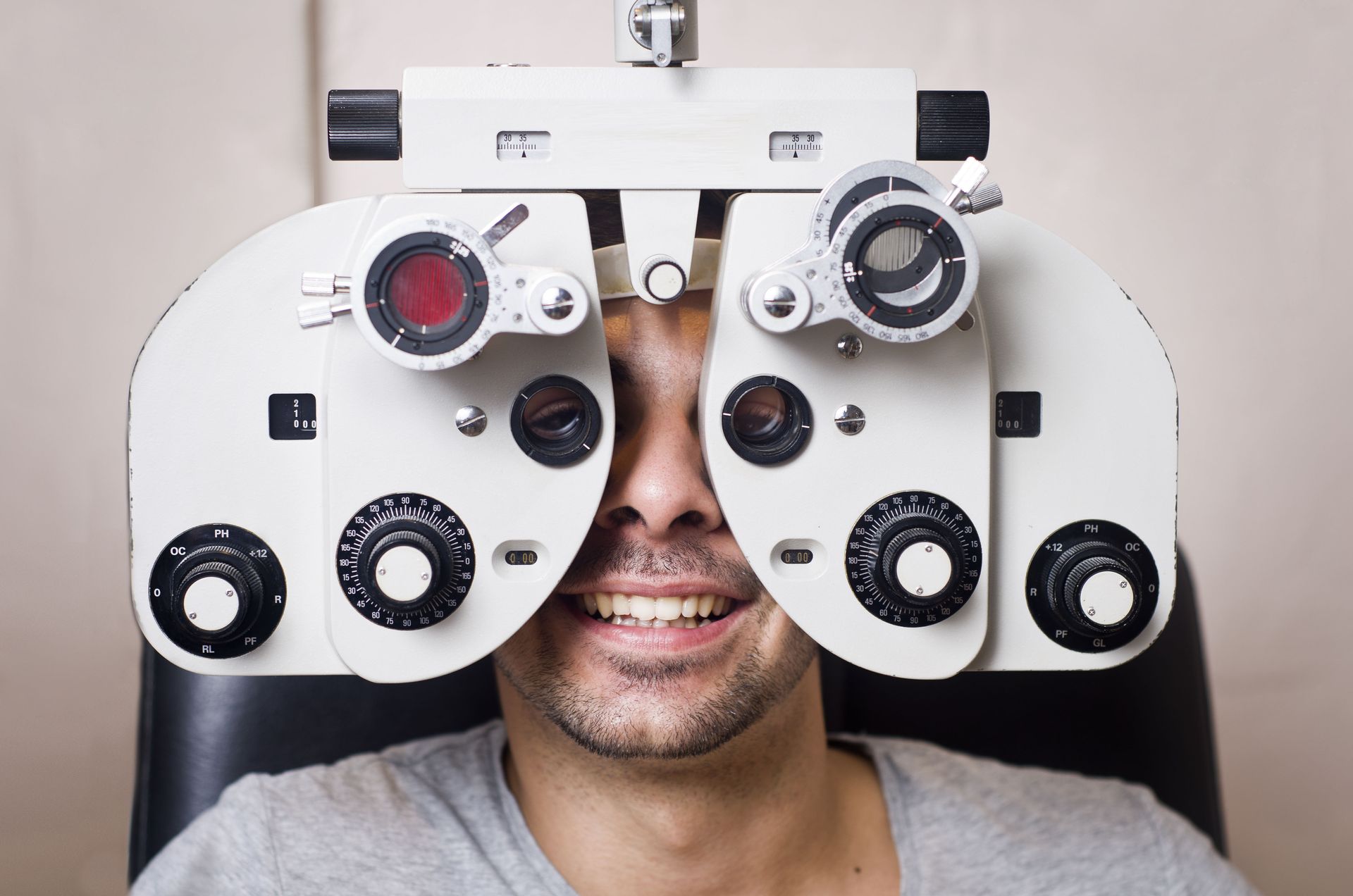
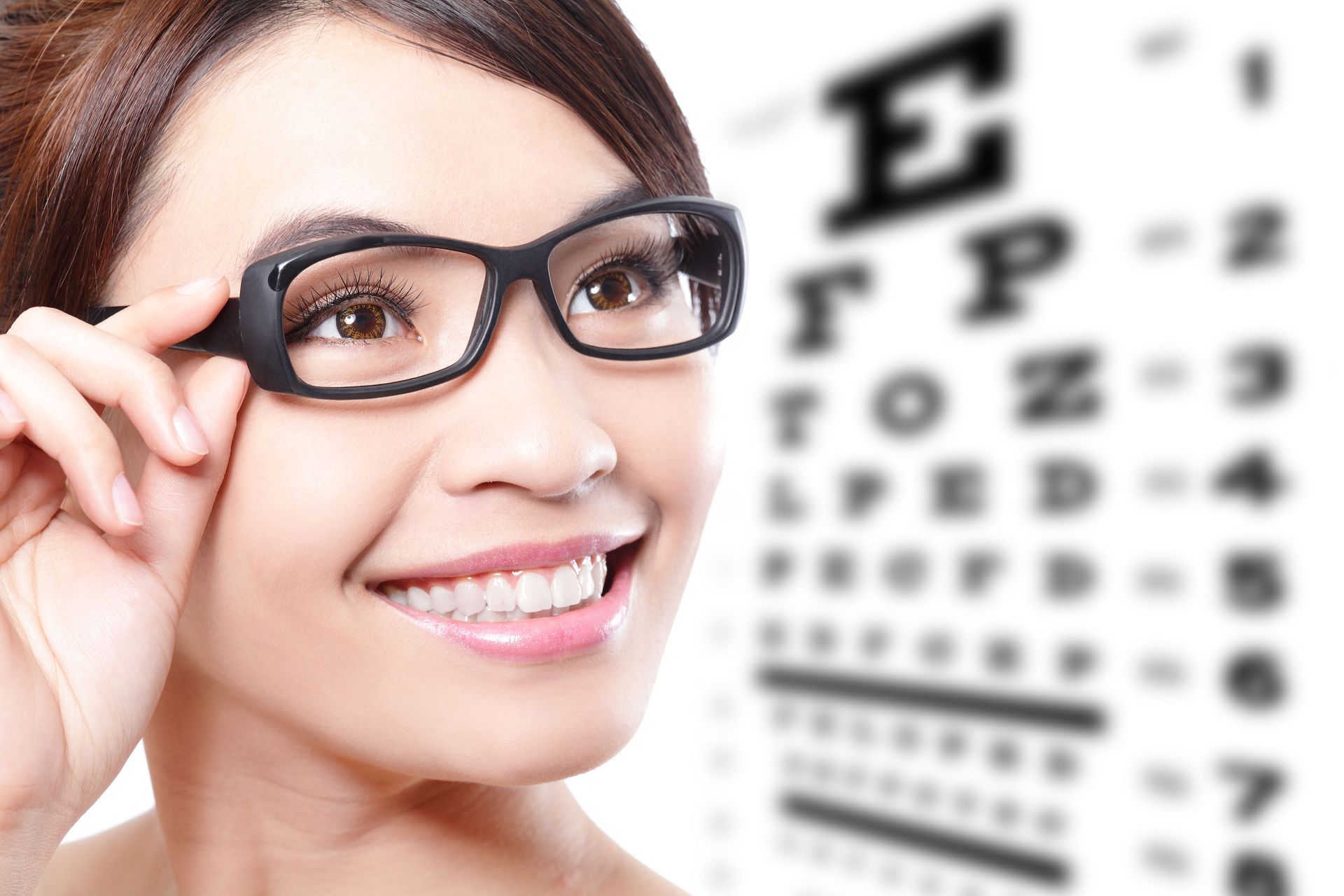
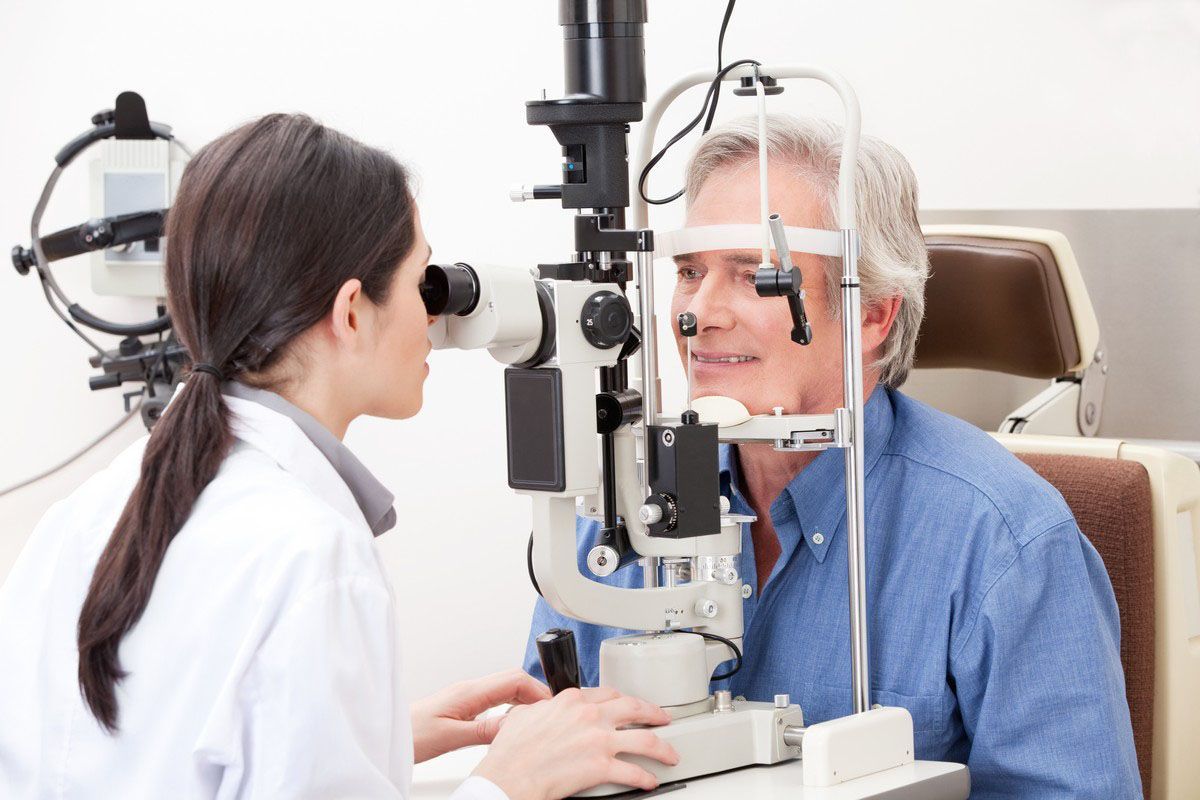
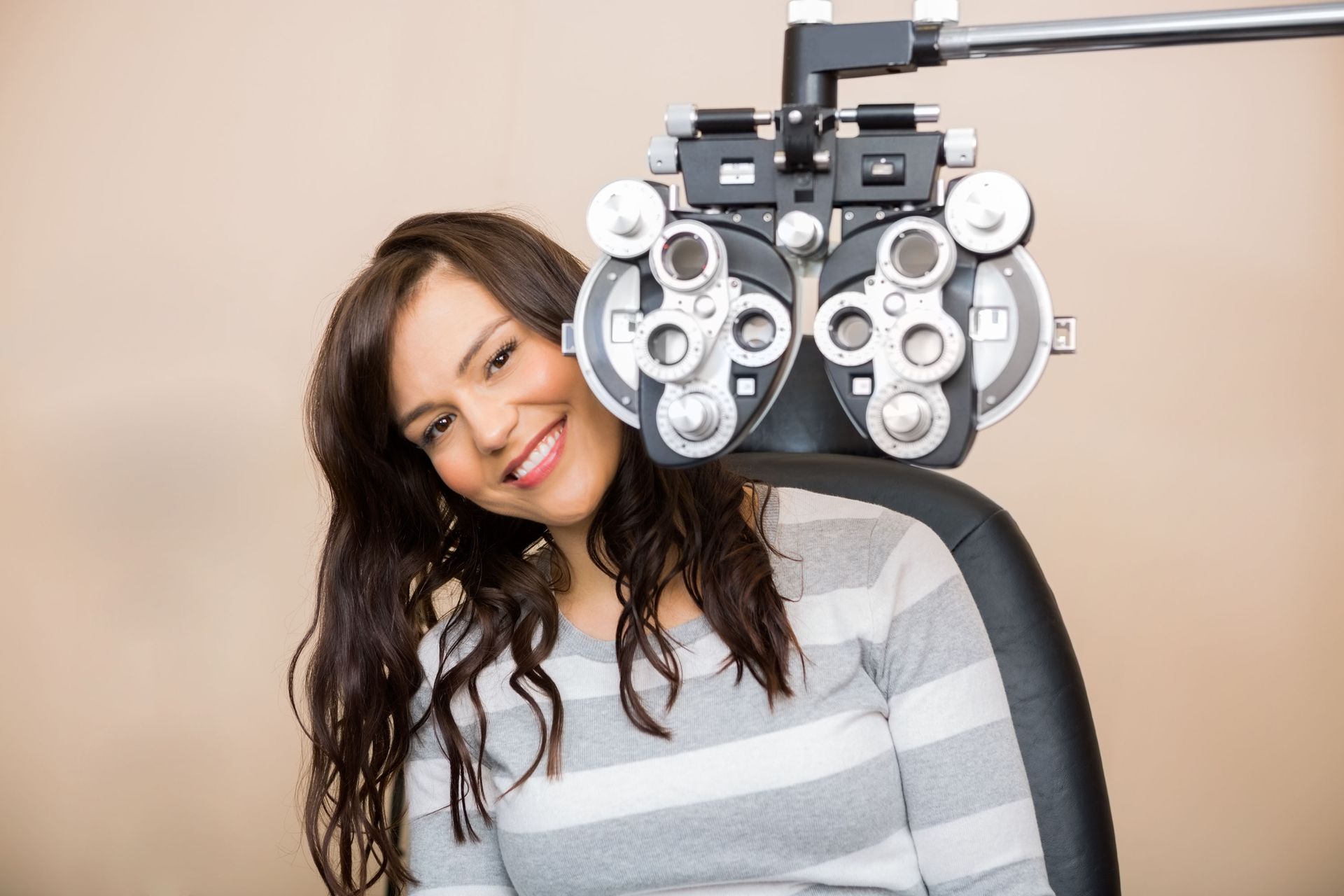
During an eye exam, a comprehensive assessment of vision and eye health is conducted. The exam typically includes vision tests, such as reading letters on a chart, to measure visual acuity. Eye pressure tests are performed to check for glaucoma. The optometrist may also examine the back of the eye using a special lens. Understanding the components of an eye exam prepares individuals for the process and ensures they receive thorough evaluations.
Types of Eye Tests and Their Purposes
Several types of eye tests are used to evaluate different aspects of vision and eye health. Visual acuity tests measure how well one can see at various distances, detecting refractive errors. Retinal exams inspect the retina and optic nerve for signs of damage or disease. Visual field tests check for blind spots or peripheral vision loss. Each test serves a specific purpose, ensuring comprehensive monitoring of eye health and early detection of potential problems.
How to Find a Trustworthy Eye Care Professional
Finding a reliable eye care professional is essential for maintaining eye health. Seeking recommendations from family or friends can provide insights into trusted practitioners. Checking credentials, experience, and patient reviews can further aid in selecting a qualified professional. A good eye care provider should offer clear communication, transparency, and an environment where questions are welcomed. Establishing a rapport with a trusted professional ensures personalized care and attention to individual needs.
Considering Nutrition and Eye Health
Essential Vitamins and Minerals for Vision
A well-balanced diet rich in essential vitamins and minerals supports overall eye health. Nutrients such as vitamins A, C, E, and minerals like zinc and omega-3 fatty acids are crucial. They play vital roles in reducing the risk of eye diseases like cataracts and age-related macular degeneration. Including these nutrients in one's diet through fruits, vegetables, and fish can improve vision health. Recognizing the importance of nutrition empowers individuals to make informed dietary choices beneficial for their eyes.
The Impact of Diet on Eye Conditions
The foods we consume significantly impact our eye health. Diets high in sugar and processed foods can contribute to conditions like diabetic retinopathy. In contrast, antioxidant-rich foods help protect against oxidative stress and inflammation. Implementing a Mediterranean-style diet, which emphasizes whole grains, healthy fats, and fresh produce, promotes eye health. Making conscious choices about diet can prevent eye conditions and support long-term vision health.
Beneficial Foods for Healthy Eyes
Several foods have properties beneficial for maintaining healthy eyes. Carrots and sweet potatoes, rich in beta-carotene, support night vision and overall eye health. Fish like salmon and tuna, high in omega-3 fatty acids, protect against dry eyes. Incorporating these foods into daily meals enhances eye health and keeps vision sharp.
The Role of Hydration in Eye Health
Adequate hydration is often overlooked but vital for maintaining eye health. Proper hydration ensures that the eyes produce sufficient tears, preventing dryness and irritation. Drinking water regularly helps flush out toxins and reduces the risk of eye strain. Staying hydrated aids in maintaining the protective fluid layers on the eye's surface, enhancing comfort and clarity. Prioritizing hydration contributes to overall well-being and supports eye function.
As you can see, the importance of staying proactive about eye health cannot be understated. Regular check-ups, mindful lifestyle choices, and technology help prevent eye conditions before symptoms arise. If you're looking for eye exams or other services, contact Optique Boutique today.



Share On: