
Common Eye Conditions and How Optometrists Can Help
Your eyes are more than just windows to the world—they are essential to your overall health and daily functioning. Yet, many people overlook routine eye care until a problem arises. Eye conditions can develop gradually, sometimes without obvious symptoms, making early detection and treatment crucial. Optometrists play a vital role in preserving vision, diagnosing eye diseases, and providing solutions that enhance both sight and comfort. In this guide, we’ll explore some common eye conditions and explain how eye doctors can help.
Why Regular Eye Exams Matter
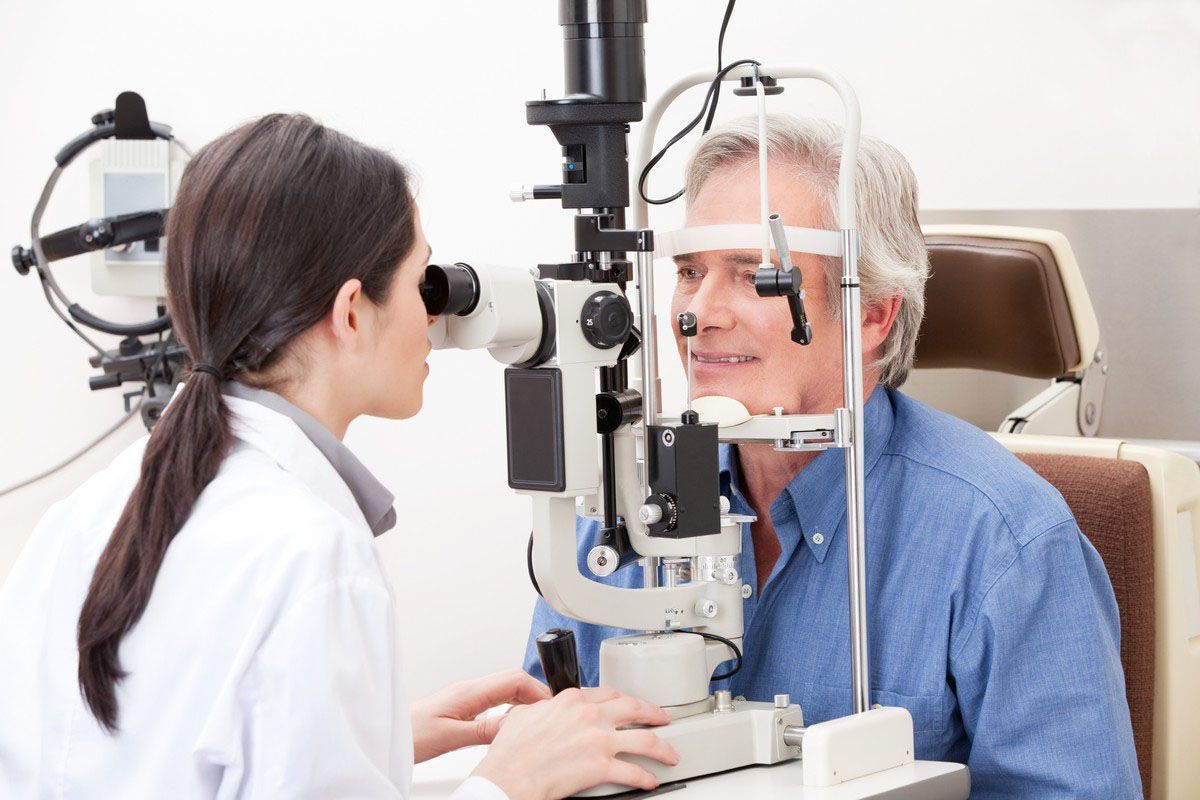
Many people associate optometrists primarily with vision correction, such as prescribing glasses or contact lenses. While these are important, comprehensive eye exams are equally critical for detecting eye diseases, monitoring eye health, and identifying systemic health issues like diabetes or hypertension. A routine exam allows eye doctors to spot subtle changes that could indicate a developing condition, even before symptoms appear.
According to the Glaucoma Research Foundation, about 4.22 million people in the U.S. have glaucoma, and nearly half are unaware of it. This underscores the importance of regular eye checkups, as early intervention can prevent permanent vision loss.
Refractive Errors
Refractive errors occur when the eye cannot focus light properly on the retina, leading to blurred vision. The most common types include:
- Myopia (nearsightedness) – difficulty seeing distant objects clearly
- Hyperopia (farsightedness) – difficulty focusing on close objects
- Astigmatism – distorted or blurred vision due to an irregularly shaped cornea
- Presbyopia – age-related difficulty focusing on near objects
Doctors diagnose refractive errors through comprehensive eye exams and offer solutions such as prescription glasses, contact lenses, or specialized lenses. Modern lenses can even include options like anti-reflective coatings or blue-light filtering, which reduce eye strain from digital screens.
Dry Eye Syndrome
Dry eye syndrome occurs when the eyes do not produce enough tears or the tears evaporate too quickly. Symptoms include burning, redness, irritation, or a feeling of grittiness. While often associated with aging, dry eye can also result from prolonged screen use, certain medications, or environmental factors.
Optometrists help manage dry eye syndrome with treatments such as lubricating eye drops, prescription medications, or specialized procedures that improve tear production. They can also advise on lifestyle changes, including screen breaks and humidity control, to reduce discomfort.
Cataracts
A cataract is a clouding of the eye’s natural lens, causing blurred vision, glare, or difficulty seeing at night. Cataracts typically develop with age but can also be influenced by trauma, medical conditions, or prolonged UV exposure.
During a comprehensive exam, eye doctors can detect early signs of cataracts and recommend appropriate steps. While glasses may temporarily improve vision, surgery is often the definitive treatment. Eye doctors provide pre- and post-surgical guidance and help patients select lenses that enhance visual outcomes after surgery.
Glaucoma
Glaucoma is a group of eye diseases that damage the optic nerve, often due to elevated intraocular pressure. Because glaucoma can progress silently, many patients remain unaware until significant vision loss occurs.
Eye doctors conduct specialized tests to measure eye pressure, assess the optic nerve, and evaluate visual fields. Early detection through regular exams is critical, as timely treatment—through medications, laser therapy, or surgery—can slow disease progression and prevent irreversible blindness.
Macular Degeneration
Age-related macular degeneration (AMD) affects the central portion of the retina, known as the macula, leading to loss of central vision. Symptoms include difficulty reading, recognizing faces, or seeing fine details.
Optometrists use advanced imaging technology to detect early signs of AMD. They may recommend nutritional supplements, lifestyle adjustments, or referral to retinal specialists for advanced care. Regular monitoring helps slow progression and preserve as much vision as possible.
Diabetic Retinopathy
Diabetes can damage the tiny blood vessels in the retina, leading to diabetic retinopathy. Early stages may have no symptoms, but advanced cases can result in vision loss or blindness.
Optometrists screen for diabetic retinopathy during comprehensive eye exams using retinal imaging and dilated eye exams. Detecting changes early allows for timely treatment, such as laser therapy or injections, which can prevent further damage. These eye doctors also coordinate care with primary care physicians or endocrinologists to manage underlying diabetes effectively.
Conjunctivitis (Pink Eye)
Conjunctivitis is the inflammation or infection of the conjunctiva, the thin tissue covering the white part of the eye. It can be caused by bacteria, viruses, or allergens. Symptoms include redness, itching, tearing, and discharge.
Eye doctors determine the cause of conjunctivitis and recommend the appropriate treatment—antibiotic drops for bacterial infections, antiviral treatments when necessary, or allergy management strategies. Proper care prevents complications and reduces the risk of spreading infection.
How Optometrists Help Beyond Diagnosis
Prescription Eyewear
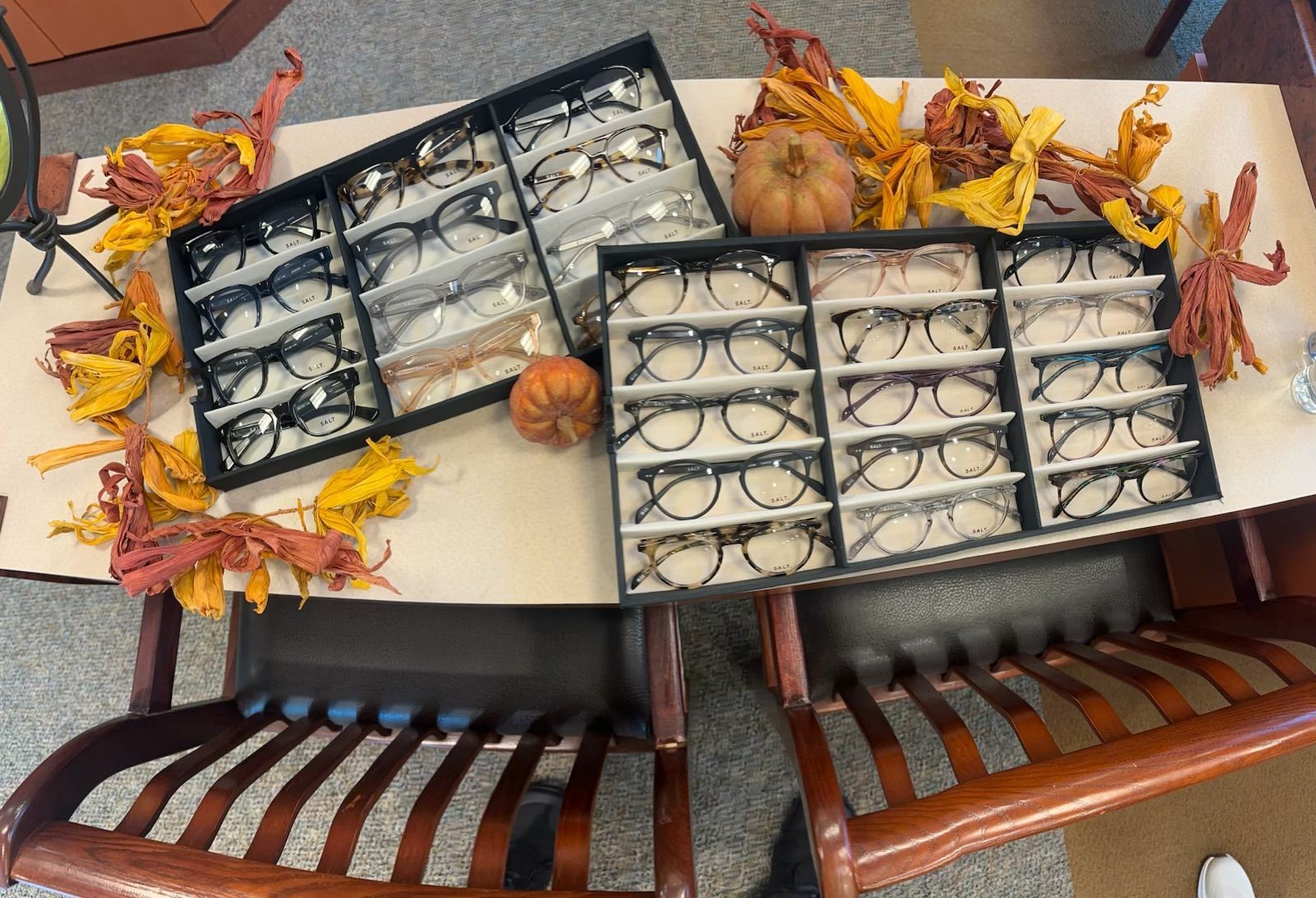
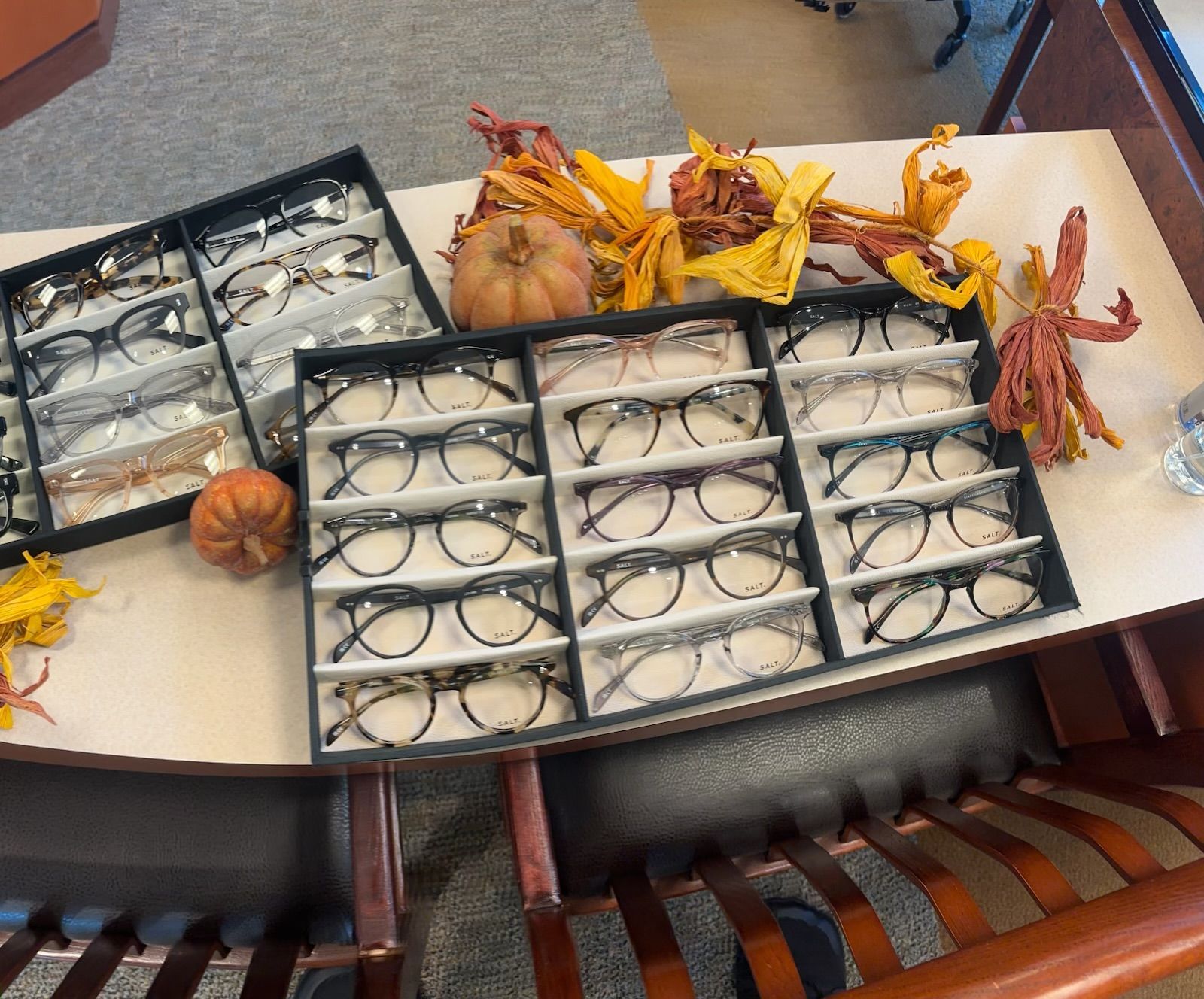
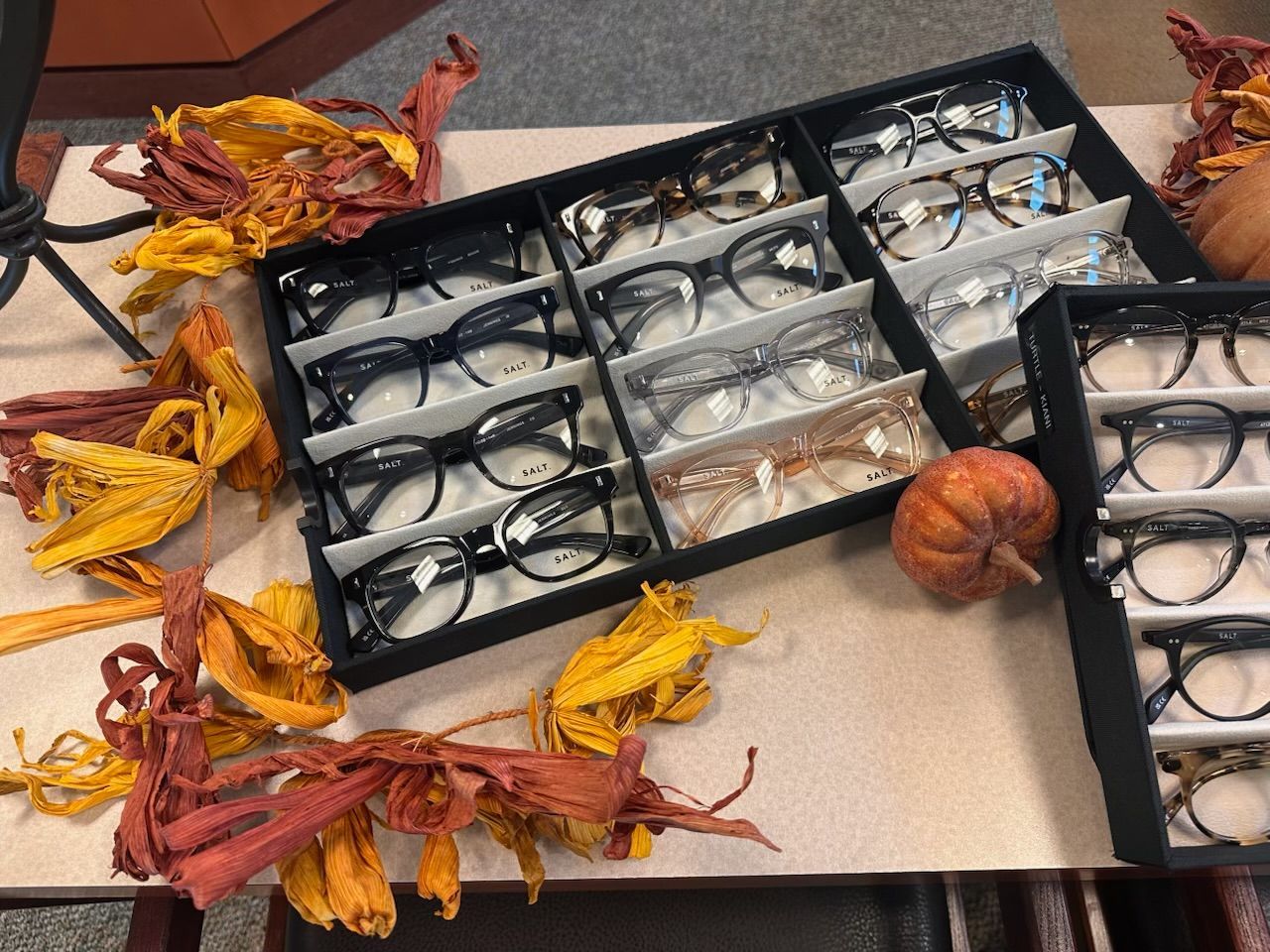
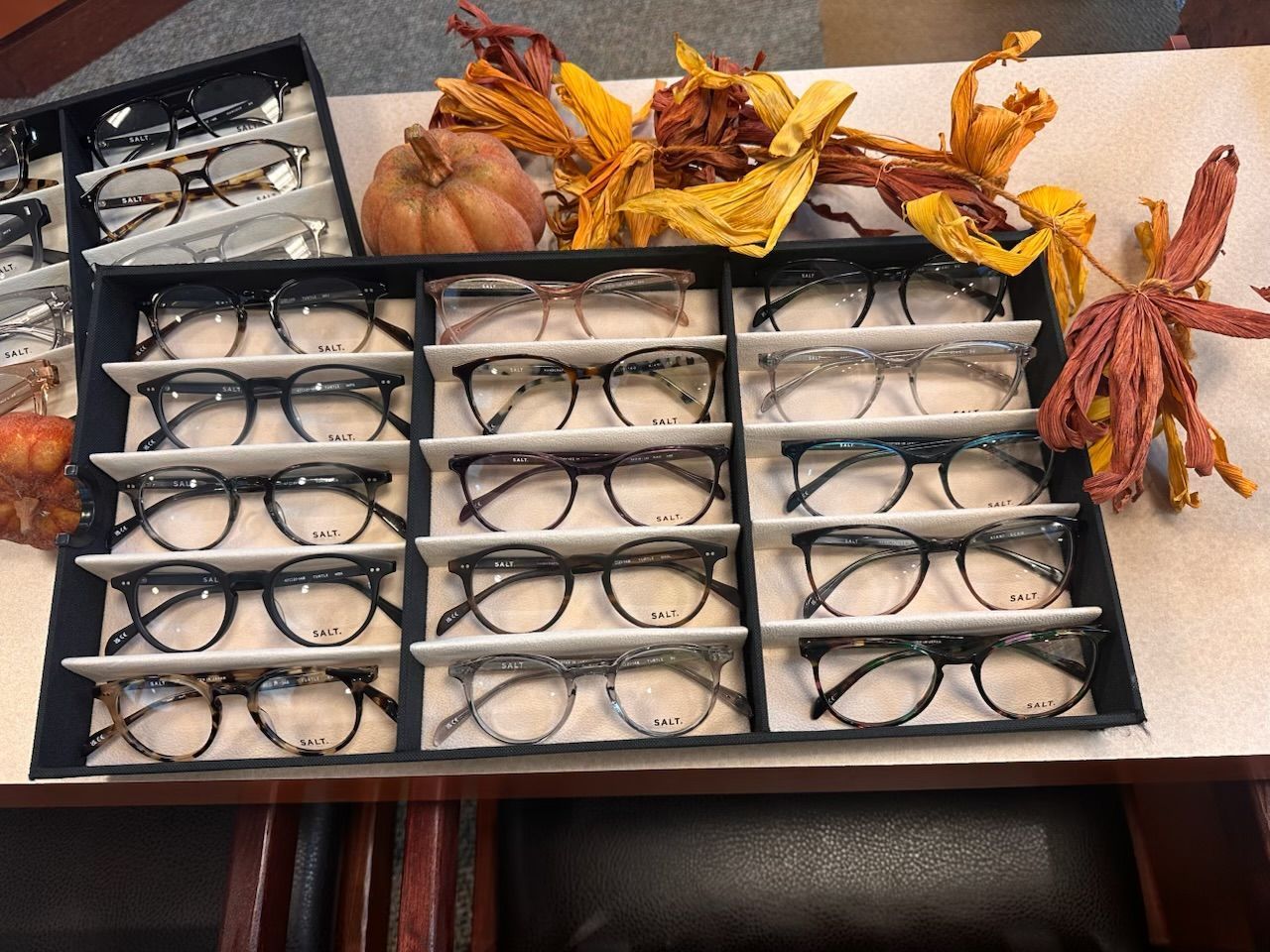
Frames and lenses are tailored to individual vision needs and lifestyle. Eye doctors help patients select frames that fit comfortably and complement facial features, while recommending lenses with features such as scratch resistance, UV protection, and anti-glare coatings.
Vision Therapy
For certain visual disorders, such as binocular vision issues or lazy eye (amblyopia), optometrists may provide vision therapy programs. These exercises and techniques improve visual processing, eye coordination, and depth perception.
Pre- and Post-Surgical Care
Eye doctors often work in tandem with ophthalmologists for conditions requiring surgery, such as cataracts or LASIK. They provide thorough pre-operative assessments and post-operative follow-up to ensure optimal recovery and vision outcomes.
Lifestyle and Preventive Guidance
From screen-use recommendations to nutritional advice, optometrists educate patients on how to protect their vision and reduce the risk of future eye problems. Preventive care is especially important for those with chronic conditions, a family history of eye disease, or occupational hazards affecting eye health.
When to See an Optometrist
You should schedule an eye exam with an optometrist if you notice:
- Blurred or distorted vision
- Frequent headaches or eye strain
- Difficulty seeing at night
- Sudden vision changes or flashes of light
- Persistent dryness, redness, or irritation
Even without symptoms, routine eye exams are recommended every one to two years for adults, and more frequently for those with risk factors such as diabetes, high blood pressure, or a family history of eye disease.
Choosing the Right Optometrist
Selecting a qualified optometrist is key to ensuring comprehensive eye care. Look for professionals who offer a full range of services, including comprehensive eye exams, diagnostic testing, and personalized eyewear solutions. Modern optometry practices often provide advanced technologies for retinal imaging, digital refraction, and optical coherence tomography, enabling more accurate diagnoses and effective treatments.
The Role of Frames and Lenses in Eye Health
While eye health goes beyond vision correction, the right frames and lenses contribute significantly to comfort and clarity. Quality frames ensure proper fit and support for prescription lenses, reducing eye strain and discomfort. Lenses with protective coatings can shield your eyes from harmful UV rays, blue light from screens, and scratches that could compromise vision over time. Optometrists help patients navigate these options to achieve both functional and stylish results.
Your eyes are an investment in your overall well-being. Common eye conditions—ranging from refractive errors and dry eye syndrome to glaucoma and macular degeneration—can impact daily life and long-term vision. Eye doctors provide essential care through comprehensive exams, early detection, personalized treatment plans, and guidance on preventive measures.
From diagnosing eye diseases to recommending lenses and frames that suit your lifestyle, optometrists are your partners in maintaining optimal vision. Prioritizing regular eye care not only preserves sight but enhances quality of life for years to come. Whether you need a routine checkup, specialized treatment, or guidance on protective eyewear, consulting an optometrist ensures your eyes receive the attention and care they deserve.





Share On: