
6 Things Eye Doctors Look for During a Comprehensive Eye Exam
Comprehensive eye exams are essential for maintaining eye health and detecting any potential issues at an early stage. Local eye doctors meticulously examine various aspects of vision and overall ocular health during these appointments. This article explores the key areas that optometrists and ophthalmologists focus on to ensure your eyes are in optimal condition. Regular visits to local eye doctors can uncover problems that might seem insignificant at first but could lead to serious complications if left untreated. Understanding what local eye doctors look for can alleviate patient concerns and promote proactive eye care through consistent monitoring and early intervention.
1. Visual Acuity Assessment
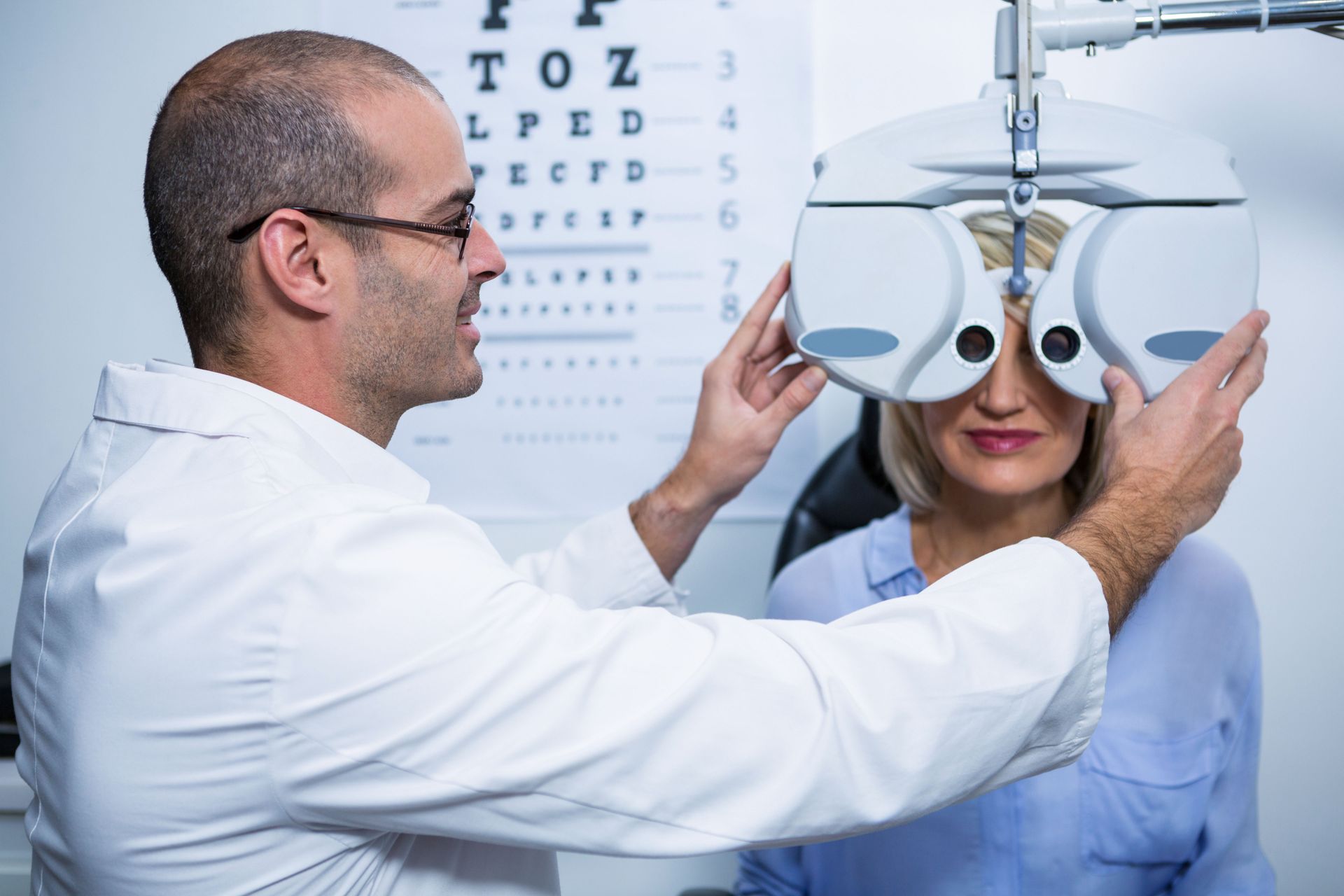
Visual acuity is fundamental to understanding how well a person can see at various distances. Measuring the clarity of vision helps local eye doctors identify potential vision impairments and determine the need for corrective measures. Local eye doctors use specific tools and standardized charts to assess a patient’s ability to perceive fine details, ensuring accurate diagnosis and appropriate treatment. Any abnormalities detected during this portion of the exam may prompt additional testing to uncover underlying conditions. Regular assessments with local eye doctors help keep prescriptions up to date and mitigate any rapid decline in vision clarity.
Nearsightedness, or myopia, requires close objects to be seen clearly while distant ones appear blurry. Farsightedness, or hyperopia, is the opposite condition, where distant objects can be seen more clearly than those up close. These refractive issues are detected through refraction tests and visual acuity assessments performed by local eye doctors. Early detection and correction are essential, as these conditions can significantly impact daily activities such as reading, driving, and working on digital devices. Corrective lenses are commonly prescribed to improve vision clarity for these refractive errors and restore comfortable sight.
2. Eye Muscle Function and Coordination
Eye movement tracking is vital for evaluating how well the eyes work together to follow moving objects. This function is essential for activities like reading, driving, and sports, which require precise coordination and synchronization between both eyes. During exams, local eye doctors assess how smoothly and accurately the eyes move, as this indicates muscle function and neurological coordination. Discrepancies can reveal problems with eye coordination and focus, often leading to further diagnostic tests. Ensuring strong eye movement control contributes to overall visual health and daily functionality.
Evaluating the strength of the eye muscles helps determine how well the eyes can maintain focus and coordination over time. Weakness in these muscles can affect the eyes’ ability to perform tasks that require sustained focus, such as reading or viewing digital screens. Regular screenings conducted by local eye doctors assess the muscles’ endurance and performance during prolonged visual tasks. By identifying weaknesses early, local eye doctors can recommend exercises or therapies designed to improve coordination and efficiency. This proactive approach helps reduce eye-related discomfort and enhances overall visual performance.
3. Refractive Error Examination
Identifying refractive errors such as myopia and hyperopia is essential in providing accurate eyewear prescriptions. Refractive errors occur when light entering the eye is not precisely focused on the retina, causing blurry vision. Myopia results when the eyeball is too long, while hyperopia occurs when the eyeball is too short. Local eye doctors utilize refractive tests and precision instruments to determine the required corrective lenses for each patient. Prompt treatment of these errors ensures optimal eye health, comfort, and visual clarity.
Astigmatism is a common refractive error in which vision becomes distorted due to an irregularly shaped cornea or lens. It can accompany myopia or hyperopia and often causes headaches or eye strain if left uncorrected. Local eye doctors use specialized tools to measure corneal curvature and diagnose the presence of astigmatism accurately. Identifying this condition requires precise measurements to ensure suitable corrective lenses are prescribed. Proper correction allows for clear, focused vision across all distances.
4. Eye Pressure and Glaucoma Screening
Visual field testing evaluates peripheral vision, which is essential in diagnosing glaucoma. This test helps detect blind spots or areas of reduced vision that may not be noticeable to patients. Local eye doctors use systematic visual field tracking to monitor changes over time and assess disease progression. Comprehensive eye exams that include visual field testing serve as an essential defense against irreversible vision damage. Early detection and intervention can preserve vision and improve long-term outcomes.
Recognizing risk factors plays a major role in early glaucoma detection. These risk factors include age, family history, elevated IOP, and systemic health conditions such as diabetes or hypertension. Local eye doctors evaluate these elements carefully to determine appropriate screening frequency. Patients with higher risk profiles may require more frequent monitoring to safeguard their vision. Awareness and regular evaluations significantly reduce the likelihood of advanced glaucoma-related vision loss.
5. Examination of the Retina and Optic Nerve
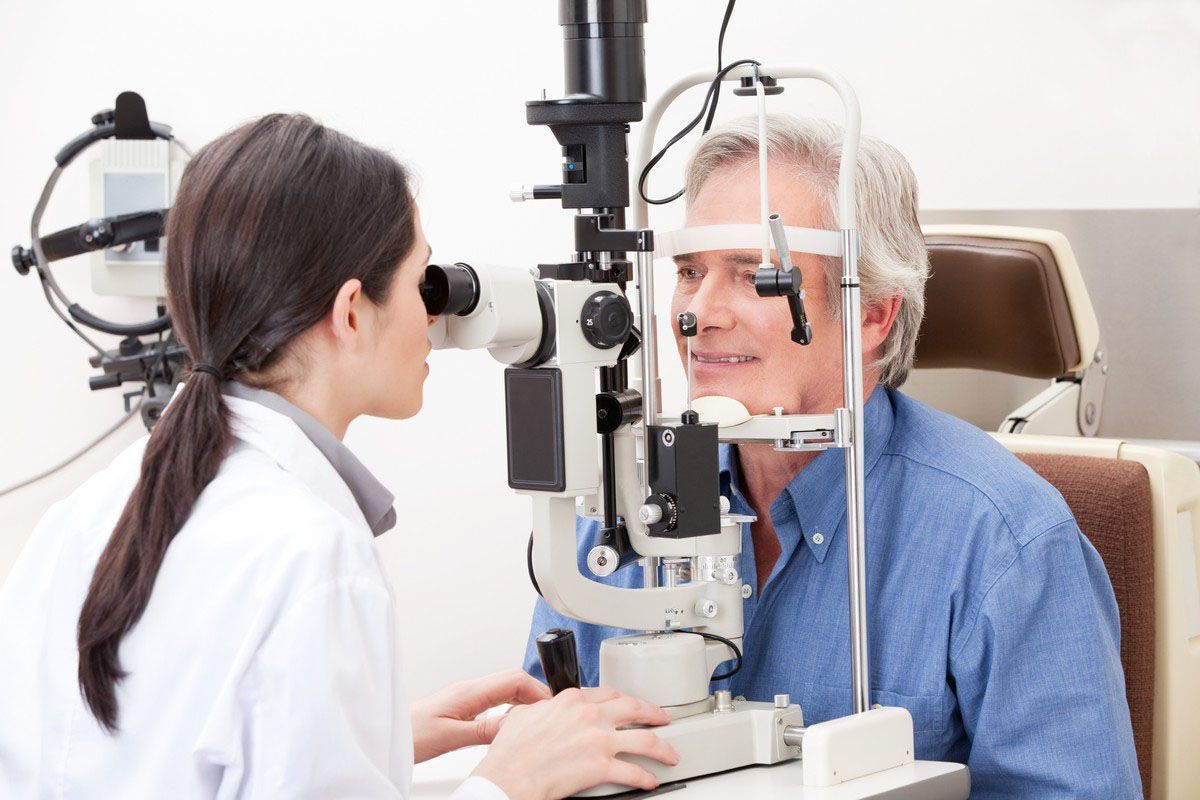
Dilated eye exams provide an extensive view of the retina and optic nerve, which are critical for detecting serious eye conditions. By widening the pupil, local eye doctors can examine the back of the eye in greater detail and identify abnormalities that might otherwise go unnoticed. These evaluations are vital in diagnosing diabetic retinopathy, macular degeneration, retinal detachment, and other sight-threatening conditions. Although dilation can temporarily affect vision clarity, the benefits of early detection far outweigh the inconvenience. Regular dilated exams remain an integral part of comprehensive eye care and long-term disease management.
Technological advancements in retinal imaging have significantly enhanced diagnostic precision. High-resolution photographs create detailed images of the retina and optic nerve, allowing local eye doctors to track subtle changes over time. These images become part of a patient’s permanent medical record, supporting accurate comparisons during future visits. Early identification of small abnormalities can lead to prompt treatment, improving overall outcomes. Modern imaging tools strengthen the ability of local eye doctors to provide comprehensive and preventive care.
6. Corneal and Lens Health
Cataracts, which involve clouding of the eye’s lens, are especially common among older adults and can gradually impair vision. Eye exams assess lens clarity and monitor cataract progression carefully. Early identification allows for timely planning and intervention when necessary. Local eye doctors provide individualized guidance on cataract management based on patient needs and lifestyle. Regular monitoring ensures that treatment decisions are made at the appropriate time to maintain independence and quality of life.
Contact lenses require precise fitting to ensure comfort and safety. Exams determine the appropriate size, shape, and material based on individual eye characteristics. Routine evaluations help prevent complications such as infections or abrasions. Local eye doctors educate patients on proper lens hygiene and wear schedules to promote long-term eye health. Consistent monitoring supports safe and effective vision correction. According to Prevent Blindness, by placing your screen 20 to 26 inches from your eyes and slightly below eye level, you can reduce eye strain. From visual acuity testing to retinal imaging and corneal assessments, each step contributes to maintaining optimal ocular health.
A comprehensive eye exam encompasses a wide range of tests and evaluations, each designed to protect and preserve long-term vision. By understanding what local eye doctors assess during these appointments, patients can better appreciate the value of routine examinations and early detection. By combining healthy vision habits with regular visits to local eye doctors, individuals can safeguard their eyesight and support lifelong visual wellness. For all of your vision needs, contact Optique Boutique today!




Share On: