
What Eye Doctors Want You to Know About Eye Exams and Long-Term Vision Care
The first visit to eye doctors can feel overwhelming, especially when you are unsure about what will happen during the appointment. Many patients walk in with unanswered questions, uncertainty about tests, and even a bit of anxiety about possible results. That hesitation is completely understandable, but gaining a clear understanding of the process can make the experience far more comfortable and productive. When patients know what to expect, they are better prepared to communicate openly and participate in decisions about their care. This creates a more collaborative and positive experience from the very beginning.
Being informed also plays a major role in protecting long-term vision. Eye doctors frequently emphasize that early awareness and routine care can make a meaningful difference in preventing or managing a wide range of conditions. From identifying subtle vision changes to catching early warning signs of larger health concerns, that first visit is more than just a routine check. It is an opportunity to establish a foundation for lifelong eye health while building confidence in how to navigate future appointments.
Understanding the Importance of Regular Eye Exams
Regular visits to eye doctors serve a purpose that extends far beyond updating a prescription. Eye exams can reveal early indicators of conditions that may not yet present noticeable symptoms, allowing for timely intervention. According to the CDC, the number of individuals experiencing vision impairment and blindness in the U.S. is expected to double by 2050. This highlights the growing importance of routine eye care as part of overall health management. Taking action now can help reduce the likelihood of more serious complications later.
The timing of these visits often depends on age, lifestyle, and medical history. Children and teenagers typically benefit from exams every one to two years as their vision develops, while adults may require more frequent visits depending on risk factors such as family history or chronic conditions. Eye doctors often tailor recommendations to each patient, making it important to stay consistent with appointments and follow guidance that reflects individual needs.
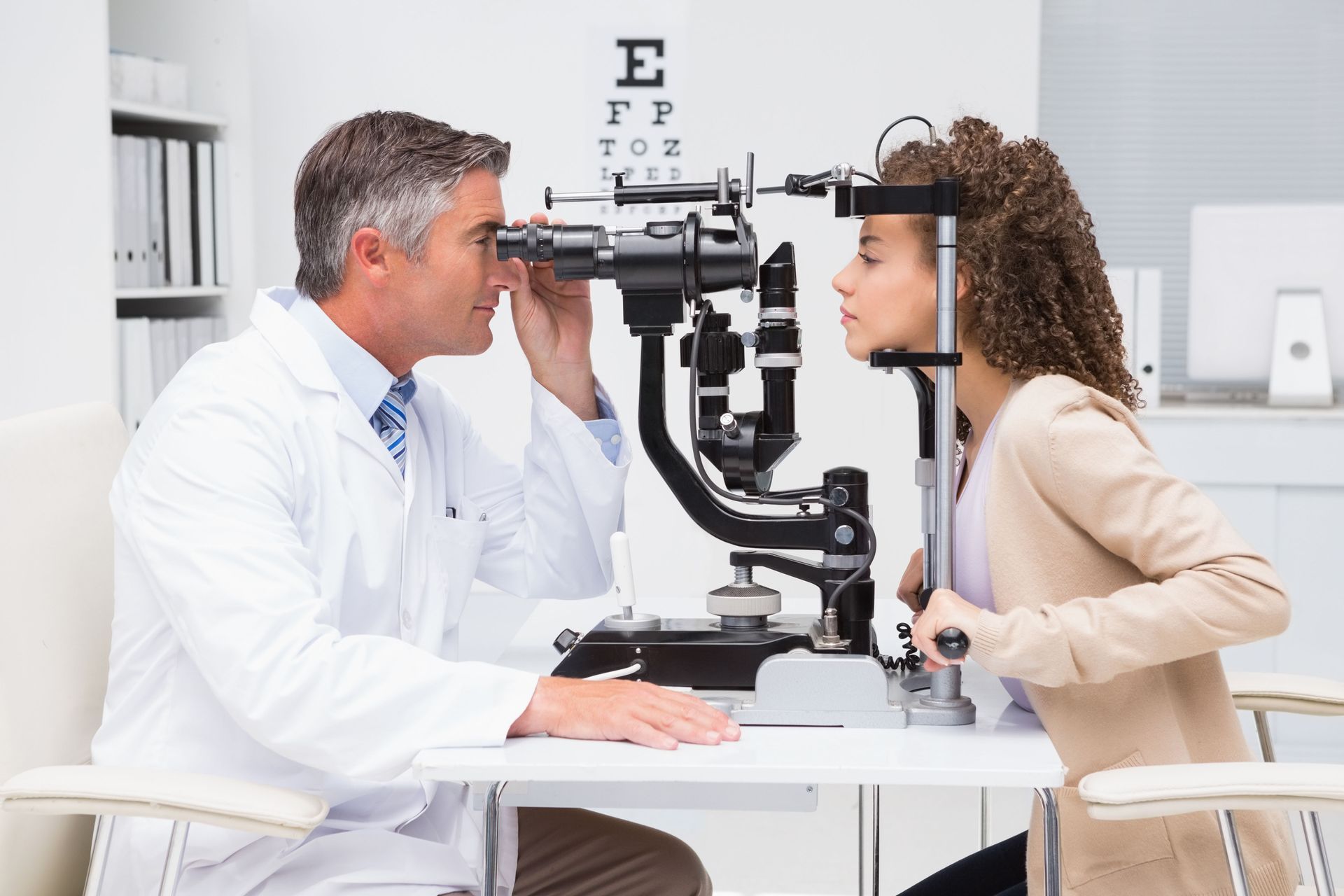
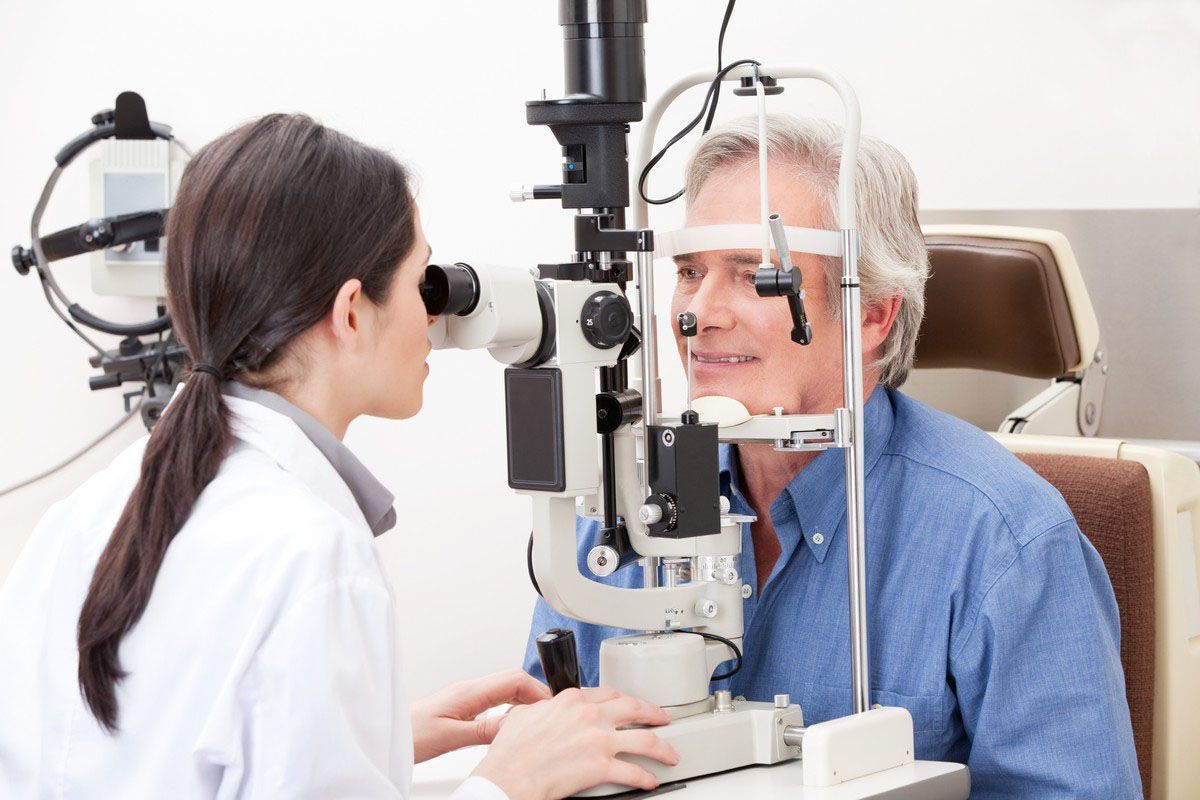
A comprehensive exam involves several steps that work together to create a full picture of eye health. Patients can expect vision tests, evaluations of eye coordination, and detailed checks of internal structures. Some of these assessments may involve dilation, which allows a closer look at the retina and optic nerve.
Recognizing Common Eye Conditions Early
Many common vision issues develop gradually, making early detection especially important. Conditions such as nearsightedness, farsightedness, and astigmatism often begin with subtle symptoms like blurred vision or frequent headaches. Eye doctors are trained to identify these concerns early, allowing for simple corrections that can greatly improve daily life. Addressing these issues promptly can also prevent additional strain on the eyes.
Eye health is closely connected to overall physical health, which is something many patients do not initially realize. During an exam, eye doctors may detect signs of conditions like diabetes or high blood pressure by observing changes in blood vessels or retinal tissue. This makes regular visits an important part of broader health monitoring, not just vision care. Early detection in these cases can lead to faster medical intervention and better outcomes.
Lifestyle factors also play a role in eye health over time. Prolonged sun exposure, smoking, and poor nutrition can increase the risk of conditions such as cataracts or macular degeneration. Eye doctors often discuss these risk factors during appointments, helping patients understand how daily choices can influence long-term vision. Taking proactive steps based on this guidance can reduce the likelihood of serious issues developing later.
Understanding the Eye Examination Process
The examination process itself is designed to be thorough while remaining relatively simple for patients. Eye doctors begin with visual acuity tests to measure how clearly you can see at different distances. This is usually followed by a refraction test, which determines whether corrective lenses are needed. These initial steps provide a baseline for understanding your vision and identifying any immediate concerns.
Additional tests evaluate peripheral vision, eye pressure, and internal eye structures. Measuring eye pressure is particularly important for detecting glaucoma, a condition that can develop without obvious symptoms. Eye doctors may also recommend dilation to examine the retina more closely. While dilation can temporarily affect vision and light sensitivity, it plays a critical role in identifying issues that might otherwise go unnoticed.
Modern technology has enhanced the accuracy and efficiency of these exams. Digital imaging and advanced scanning tools allow eye doctors to capture detailed views of the eye, making it easier to track changes over time. For patients, this means quicker results and a more comprehensive understanding of their eye health. These advancements continue to improve the overall experience while supporting better long-term care.
Building a Strong Relationship With Your Eye Doctor
A successful experience with eye doctors often depends on clear and open communication. Sharing symptoms, concerns, and lifestyle habits allows for more personalized recommendations. Even minor vision changes should be discussed, as they can provide important clues about underlying conditions. Establishing this level of communication early helps build a strong and effective partnership.
Choosing the right provider is also an important step. While credentials and experience matter, comfort and communication style are just as significant. Patients who feel heard and understood are more likely to stay consistent with appointments and follow recommendations. Eye doctors who take the time to explain findings and answer questions create an environment where patients feel more confident about their care.
Follow-up visits play an essential role in maintaining progress. Whether monitoring an existing condition or adjusting a prescription, these appointments allow eye doctors to track changes and make necessary updates.
Supporting Eye Health Between Visits
Maintaining healthy habits between appointments can make a significant difference in overall eye health. Simple practices such as washing hands before touching your eyes and properly cleaning contact lenses can help prevent infections. Eye doctors often stress the importance of these habits because they are easy to overlook but highly effective in reducing risk.
Screen time has become a major part of daily life, making it important to manage its impact on the eyes. Taking regular breaks, adjusting brightness levels, and practicing the 20-20-20 rule can reduce strain and discomfort.
Eye doctors frequently recommend these strategies to patients who spend extended periods using digital devices, as they help maintain comfort and focus throughout the day.
Nutrition and environmental awareness also contribute to long-term eye health. Eating foods rich in vitamins and antioxidants supports the retina, while wearing protective eyewear helps shield the eyes from harmful UV rays and physical hazards. By incorporating these habits into daily routines, patients can extend the benefits of their visits and support ongoing visual wellness.
Your first visit to an eye doctor is an important step toward protecting your vision and understanding your overall eye health. With the right preparation and a clear sense of what to expect, the experience becomes far less intimidating and far more valuable. Each appointment offers insight into your current condition while helping you stay ahead of potential concerns that could impact your quality of life.
Taking a proactive approach, asking questions, and following recommended care plans can make a lasting difference. Eye doctors are there to guide you, but your involvement plays a key role in achieving the best possible outcomes. If you have been putting off your first appointment, now is the time to schedule a visit with Optique Boutique and take that step toward clearer vision and stronger eye health for the future.





Share On: