
What to Expect During a Visit with Your Optician
When you schedule an appointment with your optician, it is natural to wonder what to expect during your visit. This comprehensive guide will walk you through the steps and key components of a typical appointment, helping you prepare for your visit and understand the specialized services available to you. From initial assessments to personalized eyewear consultations, you will know exactly what to anticipate from start to finish.
Conduct Initial Assessments and Health Histories
The initial assessment is a vital part of your visit to the optician. It begins with a warm welcome and a straightforward check-in process, where your personal information is verified. Following this, the staff will gather any necessary forms that need your signature, ensuring all documentation is reviewed and completed. During this phase, you might need to provide identification and insurance details to streamline the billing process. The check-in process is designed to be quick and efficient, setting a positive tone for the remainder of your visit.
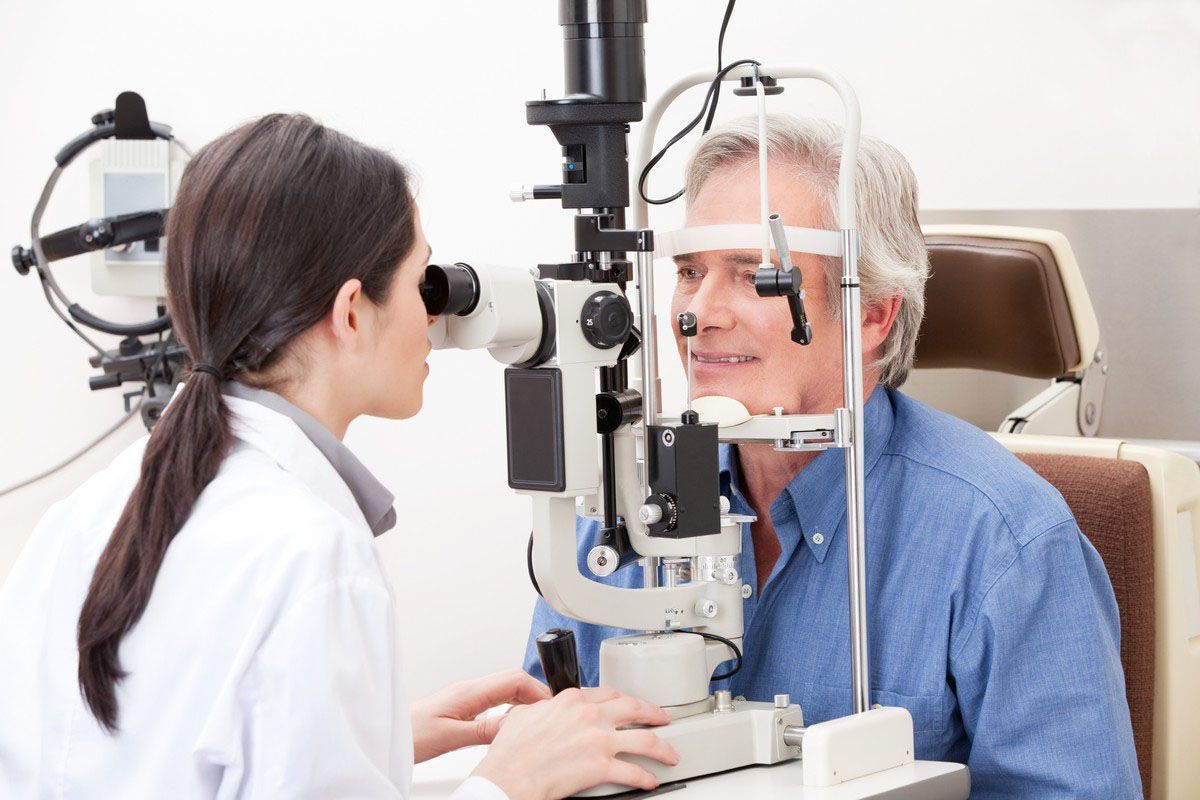
The discussion of current eye concerns and symptoms is another cornerstone of this preliminary assessment. If you have noticed any changes in your vision, such as blurriness, flashes of light, or persistent headaches, this is the time to share that information. It is important to remember that vision issues can begin at a very young age; for instance, according to the American Medical Association, nearly 7% of children have a diagnosed eye or vision condition. The optician will review previous eye exam results to spot any trends or significant changes in your eye health over time. This comprehensive process ensures that all potential issues are identified and addressed during the appointment.
Perform Vision Testing and Eye Examinations
Vision testing is an essential component of your visit, beginning with a visual acuity test. This fundamental test assesses how well you can see at various distances using a Snellen chart or a similar digital tool. You will be asked to identify letters or symbols to determine the clarity of your vision at both distance and near ranges. This test is crucial for developing accurate prescriptions for any corrective lenses you might need. It helps establish a baseline for further testing and evaluation during your visit.
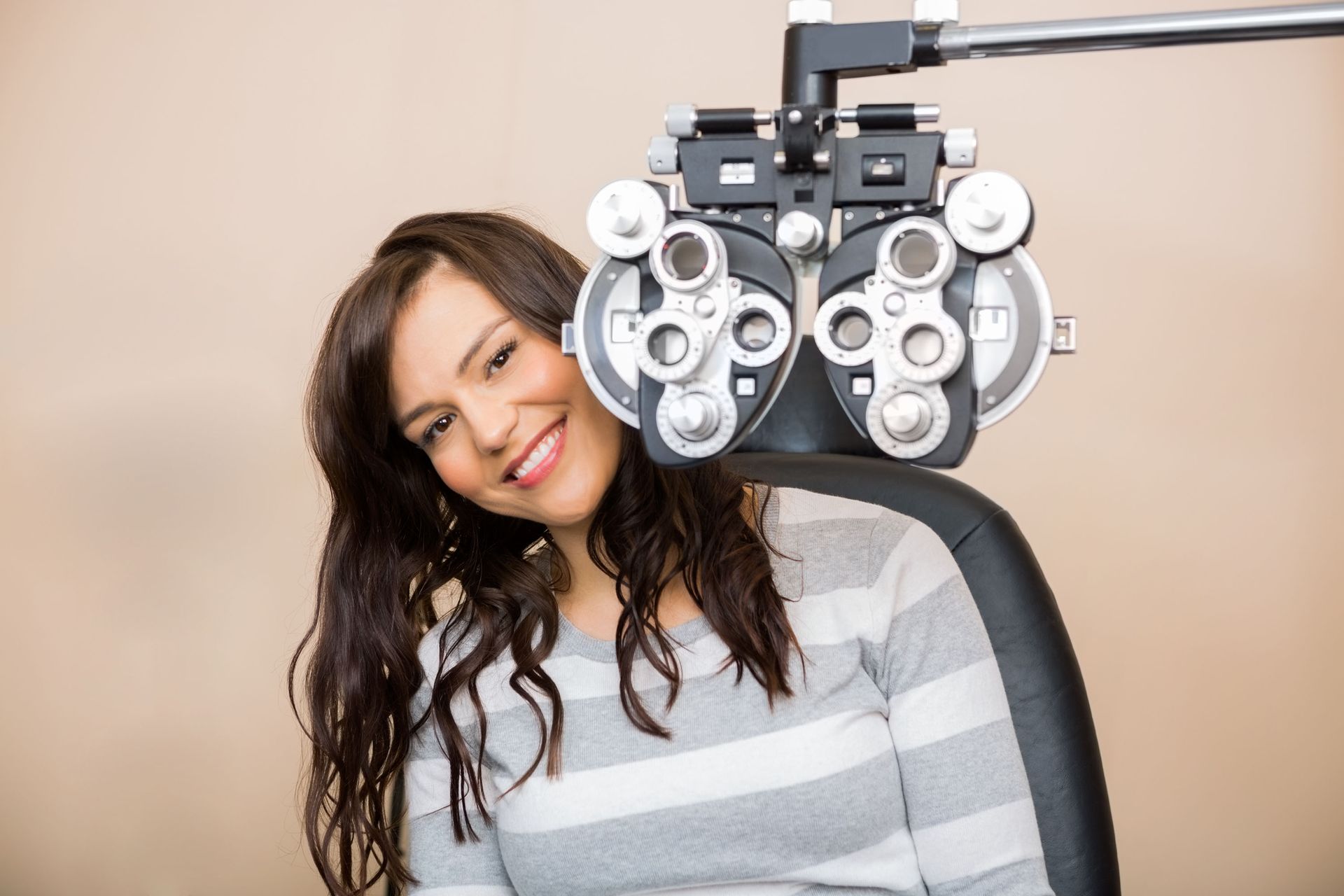
Following the visual acuity test, a refraction test using a phoropter is typically performed by the team. This part of the examination determines the precise prescription required to correct any refractive errors, such as nearsightedness, farsightedness, or astigmatism. During this process, the specialist adjusts a series of lenses and asks you to compare different sets to pinpoint the combination that provides the clearest vision. This careful assessment ensures that your prescription is tailored specifically to your visual needs. The result is a highly customized solution to enhance your vision quality.
Evaluate Contact Lens Suitability and Fittings
Not everyone is a suitable candidate for contact lenses, which is why an evaluation for suitability is an essential step. Factors such as your lifestyle, comfort level with touching your eyes, and specific eye conditions determine if contact lenses are a viable option for you. The optician will provide recommendations based on your visual acuity, ensuring that any lenses will effectively correct your vision. If you engage in activities where glasses might be inconvenient, contact lenses may be a beneficial alternative. This discussion is crucial to making an informed decision about your eyewear options.
If deemed appropriate for contact lenses, the next step is measuring for a proper fitting. Accurate sizing is critical because improperly fitted lenses can cause discomfort or even permanent damage to your eye. The professional uses devices like the keratometer to measure the curvature of your cornea and evaluate your eye's tear film stability. These measurements ensure that the contact lenses will fit well and remain comfortable throughout the day. By executing thorough fitting procedures, the optician helps prevent issues that might arise from ill-fitting lenses.
Review Prescription and Lens Material Options
After your examination, interpreting the prescription is crucial to obtaining the appropriate corrective lenses. Your prescription will often include numbers that denote the strength required for each eye, as well as measurements for cylinder and axis if you have astigmatism. Understanding these components helps you communicate effectively with the provider, ensuring you receive the correct lenses. The optician can explain each part of the prescription to make the information accessible and understandable. This clear understanding minimizes the risk of errors when ordering your eyewear.
Choosing between different lens types and materials is a key decision in acquiring eyewear suited to your needs. Options such as single-vision, bifocal, and progressive lenses offer different benefits depending on your vision requirements. The material chosen, whether it be traditional glass, high-index plastic, or modern polycarbonate, affects attributes like weight and impact resistance. Your optician can provide valuable insights into what combination of lens types and materials will best suit your lifestyle and needs. Exploring these options ensures that your lenses offer the right balance of comfort, durability, and functionality.
Assist with Frame Selection and Styling
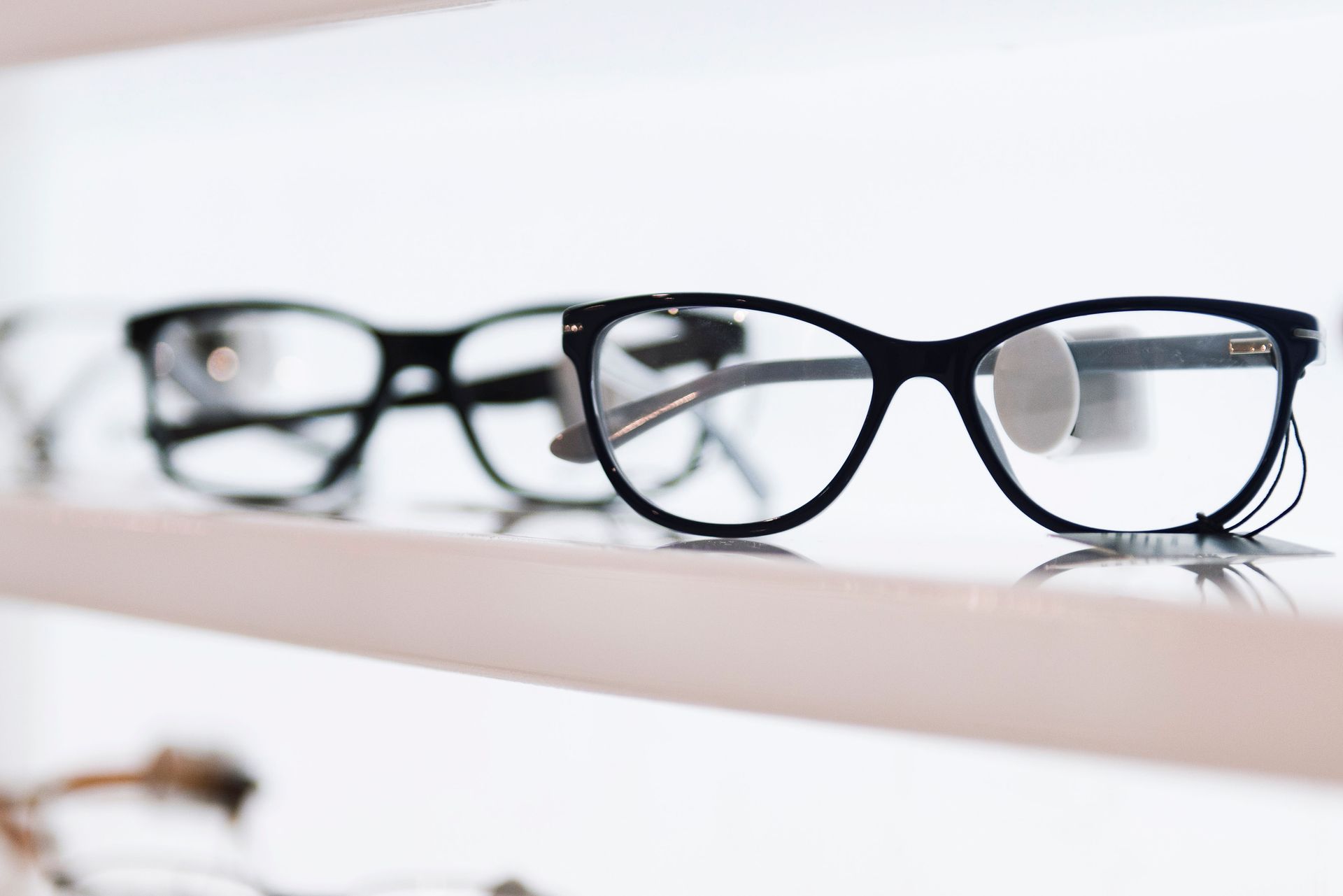
Selecting the right frame shape is an integral part of acquiring new glasses, and your optician can guide you through this process. The choice of frame affects both aesthetic appeal and functionality, impacting how well the glasses complement your face shape. From round to rectangular frames, the professional can suggest options that enhance your features and provide a balanced look. Understanding the significance of frame geometry helps you make an informed decision. This guidance is pivotal in ensuring you leave the appointment with eyewear that is both stylish and suitable for your needs.
Material choices for frames, such as acetate, titanium, or traditional metal, play a significant role in the comfort and durability of your eyewear. Each material offers different benefits: plastic frames are often lighter and come in a broader range of colors, while metal frames can be more durable and provide a sleeker, more professional appearance. Your specialist can advise on the advantages of each material considering factors like durability and weight. Selecting the right material is essential for ensuring your glasses comfortably and practically fit into your daily life. Your optician’s recommendations are tailored to match your preferences and requirements.
Manage Follow-Up Care and Maintenance
Regular eye exams are vital to maintaining optimal eye health and identifying potential concerns early. Your optician will emphasize the importance of scheduling these exams annually or as recommended based on your specific health profile. Each visit allows for monitoring of your eye health and timely updates to your prescriptions if needed. Catching eye conditions early can significantly affect treatment outcomes and preserve vision quality. Consistently following up with your professional is key to effective eye care management.
At the end of your appointment, a conversation about scheduling future appointments and maintaining a record of your eye health is standard. This proactive step ensures continual assessment of your visual needs and helps in the early detection of conditions. The office often provides reminders via text or email to assist in keeping track of your check-up schedule. This ongoing relationship enhances your understanding of eye health and solidifies the routine care essential for long-term vision preservation. Timely follow-up appointments are instrumental in addressing new symptoms or changes in vision.
A visit to your optician encompasses a wide range of assessments and consultations that are vital for maintaining optimal eye health and vision. Understanding the process, from initial health histories to choosing the right frame materials, ensures you get the most out of your appointment. With this guide, you can confidently engage with your eye care professional and take informed steps toward safeguarding your vision. To experience personalized care and expert styling, we invite you to book your next appointment at Optique Boutique.




Share On: