
How the Right Prescription Eyeglasses Can Reduce Eye Strain
Choosing the right prescription glasses is essential for maintaining visual comfort and reducing eye strain, which can affect both daily performance and overall eye health. In today’s screen-heavy world, prolonged exposure to digital devices, reading materials, and variable lighting conditions increases the risk of visual fatigue. Understanding how prescription glasses can address these issues and the range of lens options available allows individuals to make informed choices that support long-term eye health. This article explores how proper eyewear can prevent discomfort, improve vision, and enhance overall quality of life, offering practical guidance for selecting and using prescription eyeglasses effectively.
Understand Eye Strain and Its Causes
Explore the Science Behind Eye Strain
Eye strain, or asthenopia, happens when the eyes overwork to maintain clear focus. Tasks requiring prolonged near vision, such as reading or working on digital devices, demand continuous effort from the eye’s focusing muscles. This can lead to blurred vision, headaches, and overall visual discomfort. Blue light from screens and glare are additional contributors, emphasizing the importance of targeted eye protection through prescription glasses.
Identify Common Causes of Eye Strain
Several factors contribute to eye strain, particularly in our modern lifestyle. Extended screen time, improper lighting, uncorrected vision issues, and poor ergonomic setups can all exacerbate discomfort. Environmental conditions like air-conditioned rooms or dry climates further aggravate eye fatigue. Understanding these contributors enables individuals to implement strategies, including prescription glasses, that address multiple sources of strain simultaneously.
Recognize Symptoms of Eye Strain
Symptoms of eye strain may include headaches, blurred or double vision, eye twitching, dryness, and sensitivity to light. People often notice these signs after long periods of intense visual activity. Prompt recognition of these symptoms and timely intervention with proper prescription glasses can prevent long-term discomfort and support sustained productivity in daily tasks.
Reduce Eye Strain With Prescription Eyeglasses
Correct Vision Accurately
Prescription glasses are designed to focus light precisely onto the retina, compensating for refractive errors like myopia, hyperopia, and astigmatism. By easing the effort required to see clearly, these glasses reduce strain on eye muscles during prolonged visual activities. Customized prescription glasses provide clarity and comfort, making everyday tasks more manageable and less tiring for the eyes.
Ensure Prescription Accuracy
An accurate prescription is critical for alleviating eye strain. Wearing outdated or incorrectly prescribed eyeglasses can lead to headaches, fatigue, and further vision complications. According to the American Medical Association, approximately 12 million adults in the United States over age 40 experience vision impairment, highlighting the importance of precise and regularly updated prescriptions for maintaining healthy vision.
Compare Prescription and Over-the-Counter Options
Unlike generic over-the-counter reading glasses, prescription glasses are tailored for each individual’s vision needs. They account for differences between eyes and address specific refractive errors, ensuring balanced and effective vision correction. Patients with complex vision requirements benefit from this personalized approach, which provides superior comfort and reduces the risk of additional eye strain.
Avoid Effects of Incorrect Prescriptions
Wearing prescription glasses that are too weak or too strong can exacerbate eye strain, causing dizziness, blurred vision, and headaches. Over time, these effects may worsen, potentially leading to double vision or chronic discomfort. Routine eye exams and prescription updates ensure that eyeglasses provide optimal correction and protection against long-term visual stress.
Customize Prescription Eyeglasses to Fit Your Lifestyle
Consider Lifestyle and Profession
Prescription glasses should align with one’s daily activities. For example, professionals who spend hours in front of screens benefit from blue light lenses, while athletes or active individuals may require durable, shatter-resistant frames. Artists or designers may prioritize lenses that enhance color accuracy. Understanding personal visual demands helps guide the selection of both lenses and frames for maximum comfort.
Optimize Frame Fit and Comfort
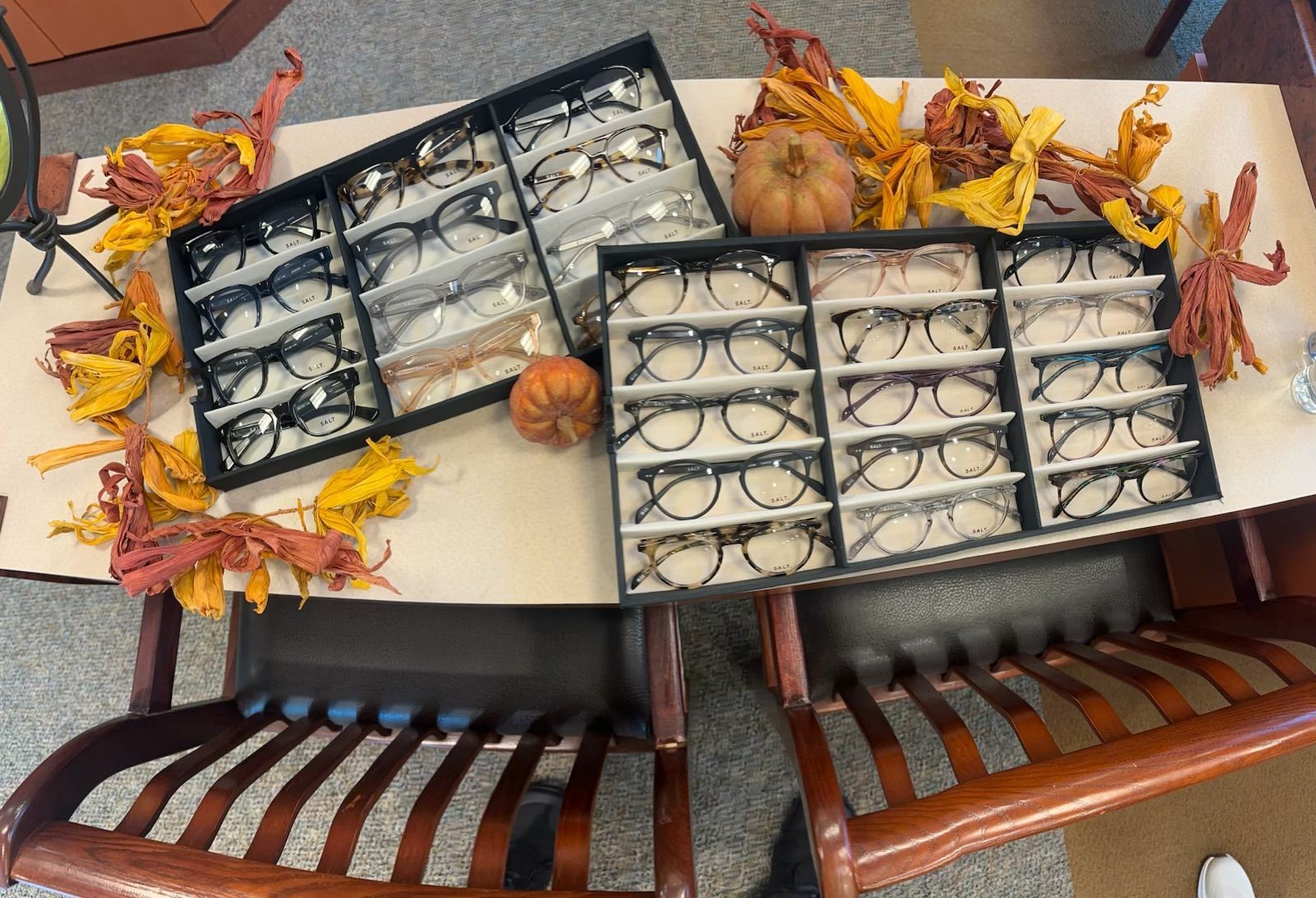
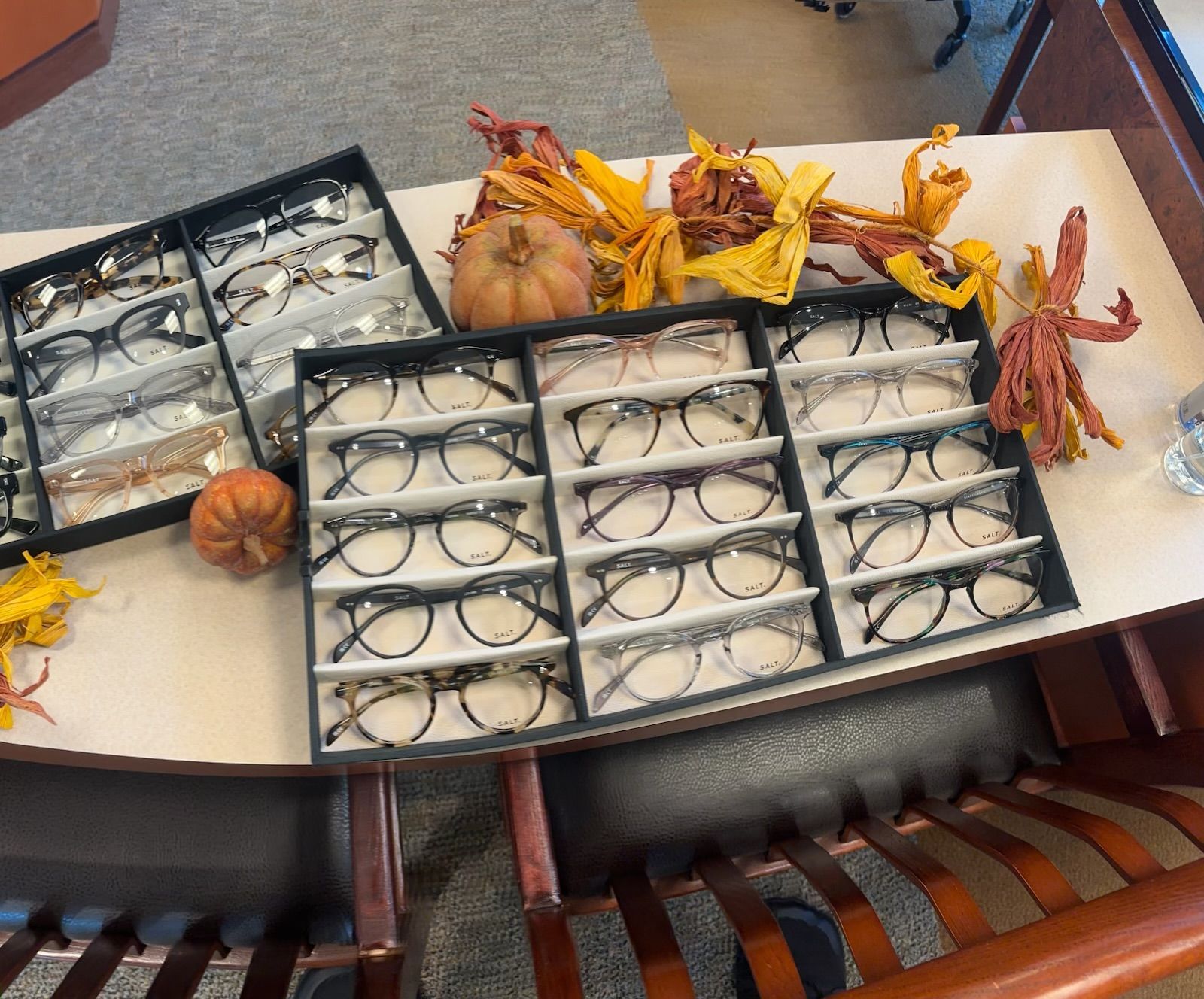
Comfortable frames are essential for prolonged use. Ill-fitting glasses can cause pressure behind the ears, on the nose, or around the temple. Adjustable nose pads, proper arm length, and well-positioned lenses ensure that prescription eyeglasses remain comfortable throughout the day while maintaining optimal visual alignment.
Enhance Lenses With Coatings
Lens coatings can improve visual performance and eye protection. Anti-glare coatings reduce reflections from screens and surfaces, transition lenses adapt to varying light conditions, and blue light-blocking coatings filter digital emissions that contribute to eye strain. These enhancements make prescription glasses both functional and protective.
Select the Right Lens Type
Single vision lenses correct uniform refractive errors, bifocals address different focal distances, and progressive lenses provide seamless near-to-far transitions. Selecting the appropriate lens type ensures that prescription eyeglasses support all aspects of daily vision needs while reducing strain and improving clarity.
Implement Preventative Measures for Eye Comfort
Apply the 20-20-20 Rule
According to the American Optometric Association, the 20-20-20 rule encourages a 20-second break to view an object 20 feet away every 20 minutes. This simple practice allows eye muscles to relax, reducing digital eye strain. Combined with prescription glasses, this strategy supports healthy vision during long periods of screen usage. Regularly practicing this rule can also improve focus and prevent fatigue-related errors during tasks that require extended visual attention. Over time, it helps train the eyes to recover quickly from prolonged near-work activities, contributing to long-term ocular comfort.
Schedule Regular Eye Exams
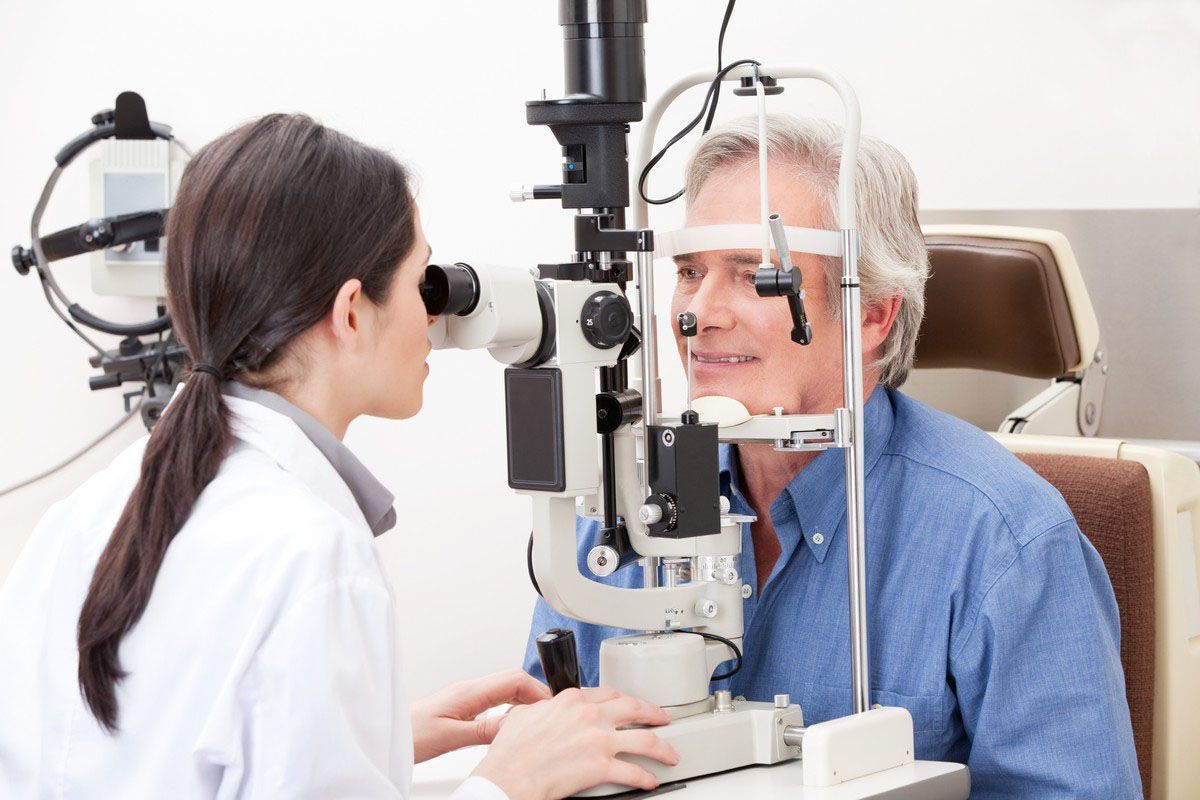
Routine eye examinations detect vision changes early, verify prescription accuracy, and help prevent potential complications. Older generations can benefit from consistent check-ups to address vision impairments proactively. Eye exams also allow eye care professionals to identify underlying conditions like glaucoma or macular degeneration before symptoms appear. Maintaining a schedule of regular check-ups ensures that prescription eyeglasses remain effective and fully optimized for changing vision needs over time.
Align Eyewear With Screen Usage
Prescription eyeglasses equipped with blue light filters or glare reduction coatings enhance visual comfort during screen-heavy activities. Adjusting brightness and font size in combination with appropriate eyewear reduces cumulative stress on the eyes. Choosing lenses designed for digital device use helps minimize eye fatigue during extended work or leisure screen sessions. Pairing these lenses with regular breaks and proper posture further maximizes the protective benefits against digital strain.
Maintain Proper Lighting and Ergonomics
Balanced lighting and correct workstation setup further reduce eye strain. Proper ambient and task lighting, screen positioning perpendicular to windows, and ergonomic furniture arrangements all work in tandem with prescription glasses to support comfortable and healthy vision. Using adjustable lighting and anti-glare screens can prevent harsh reflections and uneven brightness that worsen eye fatigue. Additionally, maintaining an ergonomic setup helps prevent neck and shoulder strain, creating a healthier overall environment for prolonged visual tasks.
Experience the Benefits of Reduced Eye Strain
Improve Mental Health and Focus
Alleviating eye strain has positive effects on mental health. Reduced visual fatigue lowers stress levels, improves mood, and enhances overall well-being. Clear vision also promotes sustained concentration, enabling more efficient work and better task completion.
Enhance Sleep Patterns and Confidence
Proper prescription glasses can minimize blue light exposure in the evening, supporting natural sleep cycles. Improved vision and reduced strain also boost self-confidence, allowing individuals to engage socially and professionally with assurance.
Enjoy Social and Professional Benefits
Prescription glasses enhance daily interactions by reducing distraction and fatigue. Clear vision facilitates better communication, understanding, and engagement in social and work environments, improving overall quality of life.
Proper prescription eyeglasses are essential for reducing eye strain, enhancing comfort, and supporting long-term eye health. Customizable frames and preventative eye care strategies allow individuals to enjoy better vision and overall quality of life. By pairing accurate prescriptions with lifestyle-focused enhancements, individuals can protect their eyes and maintain visual clarity. For personalized assistance and expertly crafted eyewear, we invite you to explore our services at Optique Boutique, where we provide tailored solutions that meet your unique vision needs.





Share On: