12 Questions To Ask Optometrists
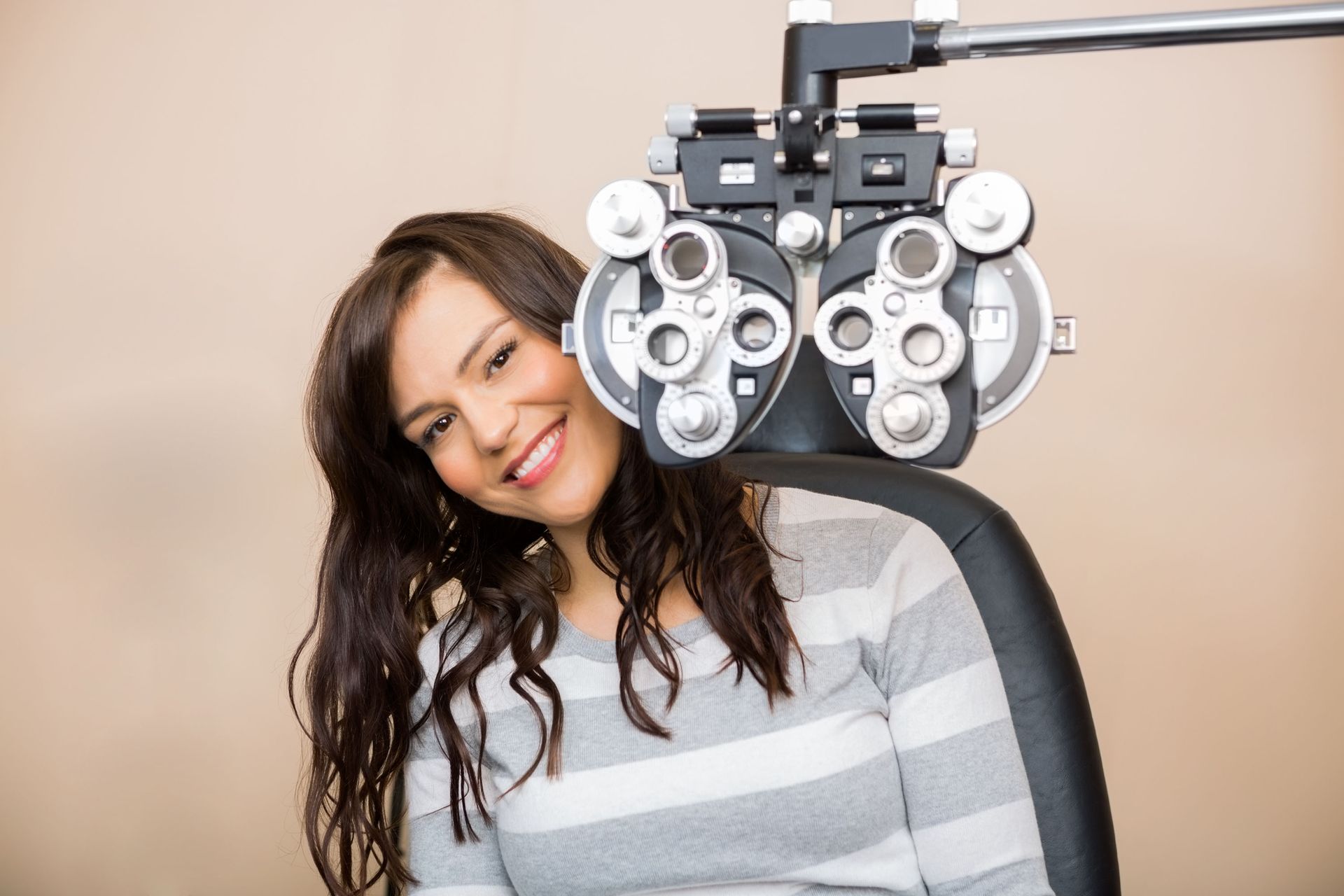
Visiting optometrists is crucial for maintaining healthy vision and preventing eye-related conditions. To make the most out of your appointment, it is important to ask pertinent questions that address your eye health needs and concerns. This article outlines key questions to guide you in your conversation with your eye doctor.
The Importance of Current Vision Health
1. What Is My Current Prescription, and How Has It Changed Since My Last Visit?
Knowing your current prescription is fundamental to your eye health, as this information can help you correct your vision properly. Recognizing changes in your prescription provides insight into how your eyes are adjusting over time. It is vital to discuss any differences between your current and past prescriptions with optometrists, as they can indicate broader issues. Staying up to date with changes ensures your corrective lenses are optimized for your daily activities.
2. Are There Any Signs of Eye Strain in My Current Eye Exam?
Eye strain is a common issue that affects individuals of all ages, often stemming from prolonged screen time or inadequate lighting. During an eye exam, eye doctors can identify signs of strain, such as dryness or redness. Discussing these symptoms with your eye doctor can lead to effective interventions, such as screen breaks or lighting adjustments. Early detection of eye strain is critical, as it prevents more severe problems related to prolonged fatigue or even potential vision deterioration.
The Role of Preventive Eye Health Measures
3. What Steps Should I Take to Protect My Eyes From Digital Strain?
Digital eye strain, often caused by prolonged use of computers or smartphones, is a growing concern. Applying the 20-20-20 rule, where you look at something 20 feet away for 20 seconds every 20 minutes, can alleviate some strain. Discussing ergonomic workspace setups with optometrists can also contribute to minimizing strain. Adjusting screen brightness, increasing text size, and using artificial tears are additional methods to protect your eyes.
4. How Can I Incorporate Nutrition Into My Eye Health Regimen?
Nutrition plays a fundamental role in maintaining eye health, with certain nutrients directly supporting vision. Foods rich in omega-3 fatty acids, lutein, and vitamins C and E, such as fish, leafy greens, and citrus, can stave off age-related vision problems. Engaging with eye doctors for dietary recommendations can refine your nutrition plan to benefit your eyes. According to the Vision Council, about 43,000 brick-and-mortar stores sell eyeglasses in the United States.
The Symptoms of Eye Diseases and Conditions
5. What Are the Early Signs of Cataracts I Should Watch For?
Cataracts typically develop slowly, making early detection crucial for effective management. Symptoms such as blurred vision, faded colors, and glare or halos around lights might indicate the presence of cataracts. Discussing these symptoms with optometrists can guide you in making lifestyle changes or exploring treatment options. In some cases, eye doctors may recommend a referral or co-manage surgical care with a specialist to ensure the best outcome. Regular eye exams are essential in monitoring the progression of cataracts and determining the right time for interventions.
6. How Is Glaucoma Detected and Managed Effectively?
Glaucoma is a disease characterized by elevated intraocular pressure, which can lead to vision loss if unchecked. Early stages often present no symptoms, making routine eye examinations imperative for detection. By asking your eye doctor about regular tonometry tests, you can consistently monitor eye pressure and catch glaucoma early. Management often includes regular monitoring, prescription medications, or co-management with a specialist when advanced treatment is required.
The Options of Contact Lenses and Eyeglasses
7. How Do I Choose Between Contact Lenses and Eyeglasses?
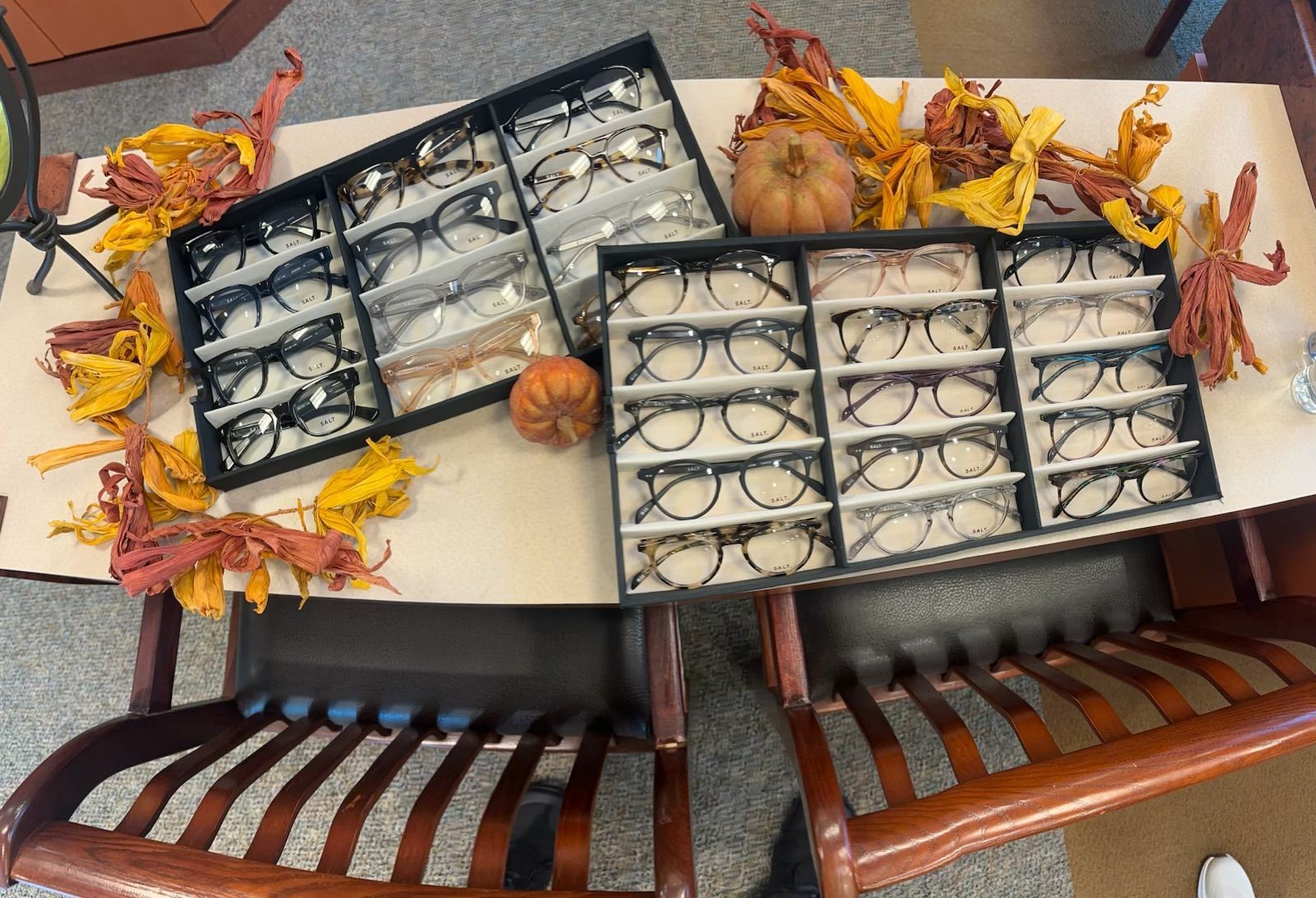
Choosing between contact lenses and eyeglasses involves weighing personal preferences and lifestyle demands. Eyeglasses offer the convenience of easy maintenance and a variety of fashion options, whereas contact lenses provide unobstructed peripheral vision and suitability for an active lifestyle. Consulting eye doctors about daily routines and preferences can guide you toward the most suitable choice. Additionally, understanding each option's care requirements and cost implications helps in making an informed decision. Optometrists can also suggest trial periods for contact lenses to experience their comfort and convenience firsthand.
8. What Are the Latest Advancements in Contact Lens Technology?
Contact lens technology continuously evolves to enhance comfort, convenience, and specific vision corrections. Recent advancements include multifunctional lenses that offer vision for different distances, extended-wear lenses, and those that address astigmatism more effectively. Eye doctors may introduce you to new materials that increase oxygen permeability for healthier and more comfortable wear. Daily disposable lenses reduce care requirements, while technological integration in some lenses, like UV protection, offers additional benefits. Understanding the latest options with professional guidance expands your access to tailored vision correction solutions.
The Causes of Dry Eyes and Allergies
9. What Causes Dry Eyes, and What Treatments Are Available?
Dry eyes occur when your eyes do not produce enough tears or the tears evaporate too quickly. This condition can result from aging, environmental factors, screen time, or certain medications. Optometrists can recommend artificial tears or prescribe medications such as cyclosporine drops to increase tear production. In some cases, lifestyle modifications, like increasing humidity in your home or taking breaks from screens, prove helpful. Treatment effectiveness hinges on identifying the underlying cause, enabling tailored interventions that alleviate discomfort efficiently.
10. How Can I Identify if Allergies Are Affecting My Vision?
Allergies can affect vision by causing symptoms like itching, tearing, and swelling, similar to those of other eye conditions. Informing your eye doctor about any environmental allergens, such as pollen or pet dander, helps identify allergies as a vision-affecting factor. Optometrists can suggest appropriate antihistamine or mast cell stabilizer eye drops for allergic relief. Wearing sunglasses outdoors can also protect your eyes from direct allergen exposure. Early identification and control of allergy-induced symptoms prevent escalation into more severe eye irritation or infection.
The Impact of Vision and Lifestyle Interaction
11. How Does Prolonged Screen Time Affect My Eyes?
Prolonged screen time is a prevalent cause of digital eye strain, marked by symptoms like headaches, dryness, and blurred vision. The blue light emitted by screens can disrupt your circadian rhythm, adding fatigue and impacting overall health. Conducting an ergonomic assessment of your workspace with your eye doctor can optimize factors such as screen distance and height. Following the 20-20-20 rule reduces strain significantly, allowing your eyes to relax. Structured breaks and careful screen usage maintain your eyes' stamina and clarity throughout the day.
12. What Are the Practices for Eye Safety at Work?
Eye safety at work involves adherence to protective eye equipment, especially in industries like construction or laboratory settings. Safety goggles shield your eyes from potential irritants, impacts, or chemical splashes, adhering to prescribed work safety standards. Engaging optometrists in discussions about the most suitable protective eyewear for your specific workplace hazards is valuable. Regular optometric checkups as part of occupational health protocols ensure your eyes remain resilient. Understanding workplace risks and practicing vigilance significantly reduces the likelihood of occupational eye injuries.
Asking thoughtful questions during your appointment helps you make informed choices about protecting and improving your vision. From reviewing your prescription to discussing preventive care and lifestyle adjustments, these conversations ensure your eye health plan truly reflects your needs. At Optique Boutique, our team is dedicated to guiding you through every step of our eye care journey. Learn more about how we can support your vision in the years ahead.



Share On: