How Your Eye Doctor Detects Early Signs of Diabetes, Glaucoma, and Other Diseases
Eye examinations are not just for correcting vision—they are crucial for detecting systemic diseases like diabetes, glaucoma, and hypertension. By analyzing the eye’s components, such as the retina, optic nerve, and blood vessels, your eye doctor can identify early signs of these diseases, often before symptoms appear. This article explores how an eye doctor detects these conditions and the significant role of eye exams in preventive healthcare.
The Anatomy of the Eye: A Window to Your Health
The Retina: Detecting Systemic Diseases
The retina is the most vital part of the eye for diagnosing systemic health issues. It's filled with blood vessels that change in response to conditions like diabetes and hypertension. For example, diabetic retinopathy, a common complication of diabetes, causes changes in the retinal blood vessels, which can be detected during eye exams. Using advanced imaging technologies like optical coherence tomography (OCT) and fundus photography, your eye doctor can spot microaneurysms, hemorrhages, and swelling, providing early warning signs of conditions such as diabetes. By catching these changes early, your eye doctor can intervene before the disease progresses.
The Optic Nerve and Neurological Conditions
The optic nerve is directly connected to the brain and can reveal neurological issues. Abnormalities in the optic nerve, such as swelling or color changes, can indicate problems like multiple sclerosis, tumors, or raised intracranial pressure. In glaucoma, the optic nerve is often damaged, leading to irreversible vision loss. By regularly examining the optic nerve, your eye doctor can detect signs of these conditions early, allowing for timely intervention through MRIs or other diagnostic tools.
Eye Blood Vessels and Hypertension
The eye’s blood vessels can also provide clues to heart and vascular health. Hypertensive retinopathy occurs when high blood pressure damages the retinal blood vessels, leading to narrowing, leakage, or swelling. This condition signals broader cardiovascular risks, such as the potential for stroke or heart disease. Regular eye exams can catch these changes and prompt further testing, ultimately helping to manage hypertension and reduce the risk of severe health complications. By examining the blood vessels in your eyes, your eye doctor can help prevent serious issues like stroke or heart disease.
The Cornea: Diagnosing Metabolic and Autoimmune Disorders
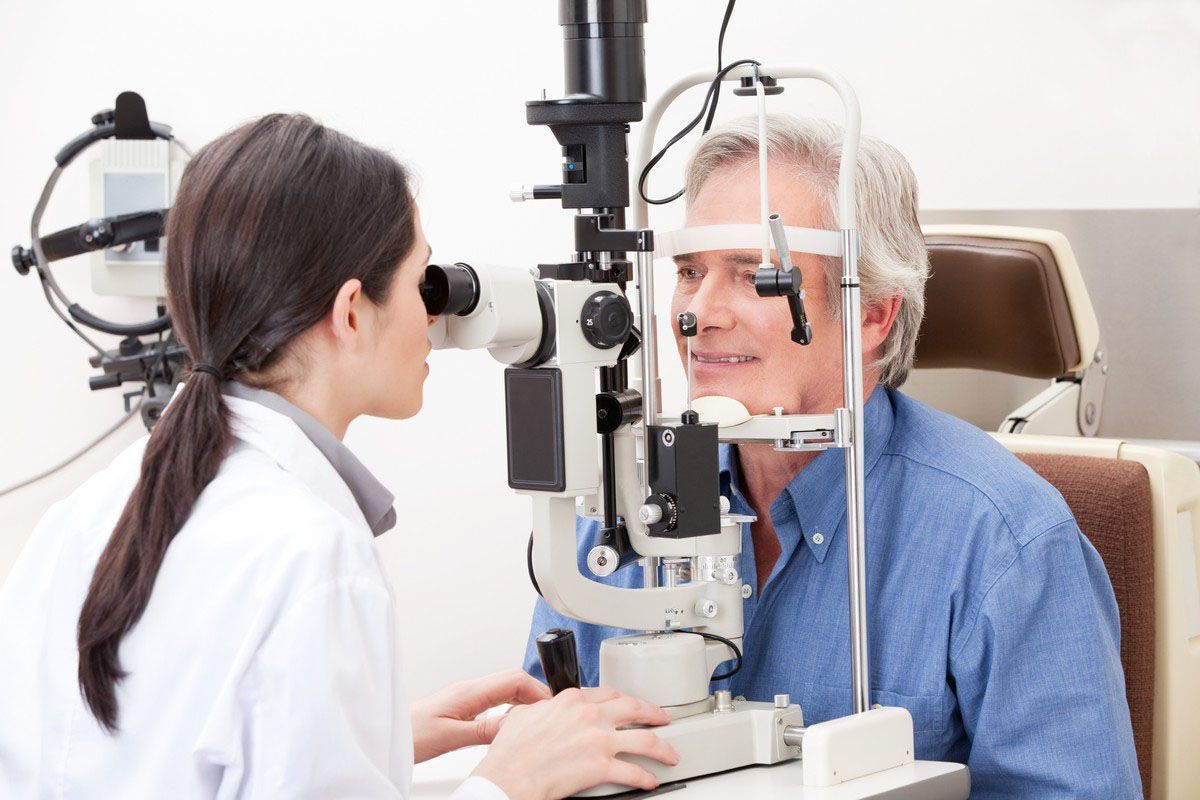
The cornea, the eye's outer layer, is essential for protecting the eye and can also reveal metabolic and autoimmune diseases. Conditions like Wilson’s disease, which causes copper buildup in the body, can be detected by the presence of corneal deposits. Your eye doctor uses slit-lamp biomicroscopy to examine the cornea for signs of inflammation or infections that could indicate systemic issues like nutritional deficiencies or autoimmune disorders. Monitoring corneal health offers an opportunity for early diagnosis of these conditions.
Iris and Pupil Abnormalities: Clues to Neurological and Systemic Issues
The iris and pupils can reveal clues to neurological health. Unequal pupil sizes, known as anisocoria, can indicate conditions like Horner’s syndrome, which affects the autonomic nervous system. Your eye doctor can use a penlight test to examine the iris and pupil for irregularities. For example, Kayser-Fleischer rings, which appear in the iris, can indicate Wilson’s disease. Similarly, changes in pupil reactions can point to stress or medication side effects, providing vital information for a broader health assessment.
The Role of Routine Eye Exams
Comprehensive Eye Exams vs. Vision Screenings
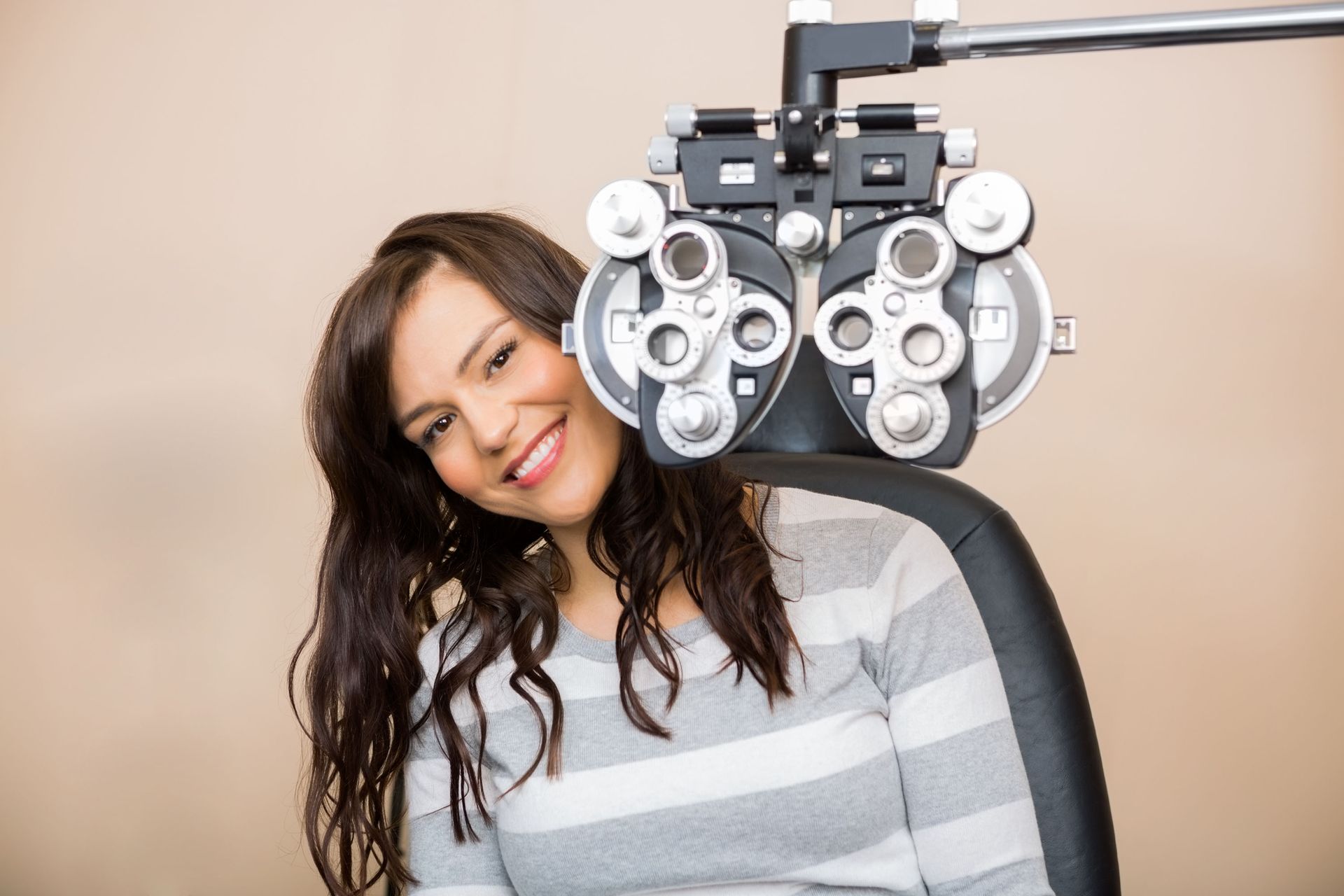
Comprehensive eye exams go beyond basic vision screenings, which mainly check for the need for corrective lenses. While vision screenings only assess visual acuity, comprehensive eye exams evaluate eye pressure, retinal health, and optic nerve function. By identifying subtle changes in eye health, your eye doctor can detect systemic diseases like diabetes, hypertension, and glaucoma before they cause serious damage. Comprehensive exams are crucial for people at risk of these conditions or those with a family history of eye diseases. According to the World Health Organization, among the 1 billion people whose vision impairment could have been prevented, the main condition causing impairment or blindness is cataracts. This underscores the importance of regular eye exams for detecting not only chronic diseases but also preventable conditions like cataracts.
Technologies Enhancing Eye Exams
Technological advancements, such as OCT, fundus photography, and tonometers, have revolutionized eye exams. OCT provides detailed cross-sectional images of the retina, enabling the detection of diabetic retinopathy and macular degeneration. Fundus photography captures images of the retina and optic nerve, aiding in the diagnosis of hypertensive retinopathy. Tonometers measure intraocular pressure, essential for diagnosing glaucoma. These technologies enhance diagnostic accuracy and help detect conditions early, ensuring that timely interventions are made.
The Impact of Eye Exams on Detecting Diabetes
Diabetic Retinopathy and Early Detection
Diabetic retinopathy is a common and serious complication of diabetes. High blood sugar damages the small blood vessels in the retina, leading to leakage and swelling. Early signs include blurred vision, floaters, and difficulty seeing colors. Regular eye exams are crucial for detecting these changes, allowing for timely treatment to prevent severe vision loss. Through advanced imaging techniques, your eye doctor can identify microaneurysms and hemorrhages—early signs of retinopathy—helping patients manage their diabetes and protect their vision.
Swelling and Leakage in Retinal Blood Vessels
Swelling and leakage in retinal blood vessels are key indicators of diabetic retinopathy. Prolonged high blood sugar weakens the blood vessel walls, causing microaneurysms and fluid leakage. This leads to macular edema, where the macula—the center of the retina responsible for sharp vision—becomes swollen. Symptoms include blurred vision and distorted images. Prompt medical attention is essential to prevent further damage and preserve vision. Eye exams can detect these changes early, enabling your eye doctor to initiate treatments like laser surgery or medications.
How Regular Eye Exams Benefit Your Overall Health
Eye exams offer more than just vision correction; they play a critical role in identifying early signs of systemic diseases. Conditions like diabetes, hypertension, and glaucoma often show no symptoms in their early stages, making regular eye exams vital for early detection. For people with risk factors such as a family history of eye disease or chronic conditions, eye exams are essential for preventive care. Additionally, the use of advanced imaging technologies ensures that your eye doctor can accurately diagnose and monitor these conditions over time, offering a chance for timely interventions and better health outcomes.
Frequency and Recommendations for Eye Exams
Adults should undergo a comprehensive eye exam every one to two years. However, those with conditions like diabetes or hypertension, or those with a family history of eye disease, may require more frequent exams. Children should have their first eye exam at six months, followed by regular check-ups to monitor vision development and screen for conditions like amblyopia or strabismus. Early detection and treatment of eye conditions through regular exams help maintain both vision and overall health.
Visual Acuity Tests and Their Limitations
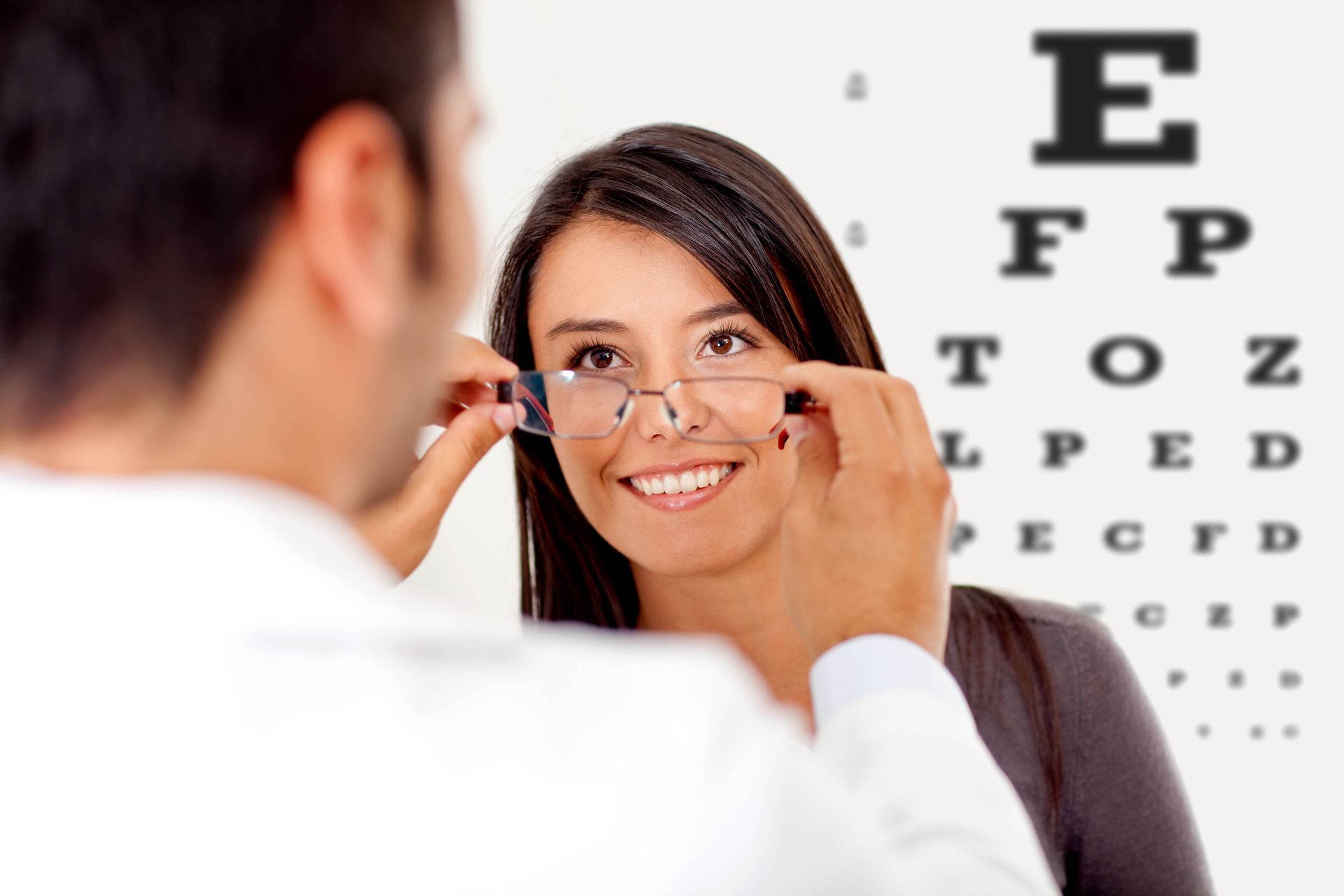
Visual acuity tests are essential for assessing sharpness and clarity of vision. These tests measure how well you can see at various distances, often using a letter chart. However, visual acuity tests do not capture other important aspects of eye health, such as glaucoma or retinal diseases. While they provide a baseline for detecting vision issues like nearsightedness or farsightedness, they should be complemented with other diagnostic tests to offer a complete picture of eye and systemic health.
Tracking Eye Changes Over Time for Early Diagnosis
Tracking changes in eye health over time is crucial for diagnosing and managing eye and systemic diseases. Regular eye exams create a baseline, allowing your eye doctor to monitor changes that indicate disease progression or treatment efficacy. For example, changes in retinal thickness or intraocular pressure can signal the onset of diabetic retinopathy or glaucoma. By documenting these changes, your eye doctor can make timely adjustments to treatment plans, ensuring the best outcomes for patients.
Eye exams are an essential part of maintaining overall health. They provide valuable insights into not only ocular health but also systemic conditions such as diabetes, hypertension, and neurological disorders. By examining components of the eye like the retina, optic nerve, and blood vessels, your eye doctor can detect early signs of these diseases, often before symptoms appear. Regular comprehensive eye exams, supported by advanced imaging technologies, are crucial for early detection, timely intervention, and improved long-term health outcomes. If you haven’t had an eye exam recently, make an appointment with your eye doctor today to protect your vision and overall well-being. Contact Optique Boutique today to learn more.



Share On: